Silver Stealing
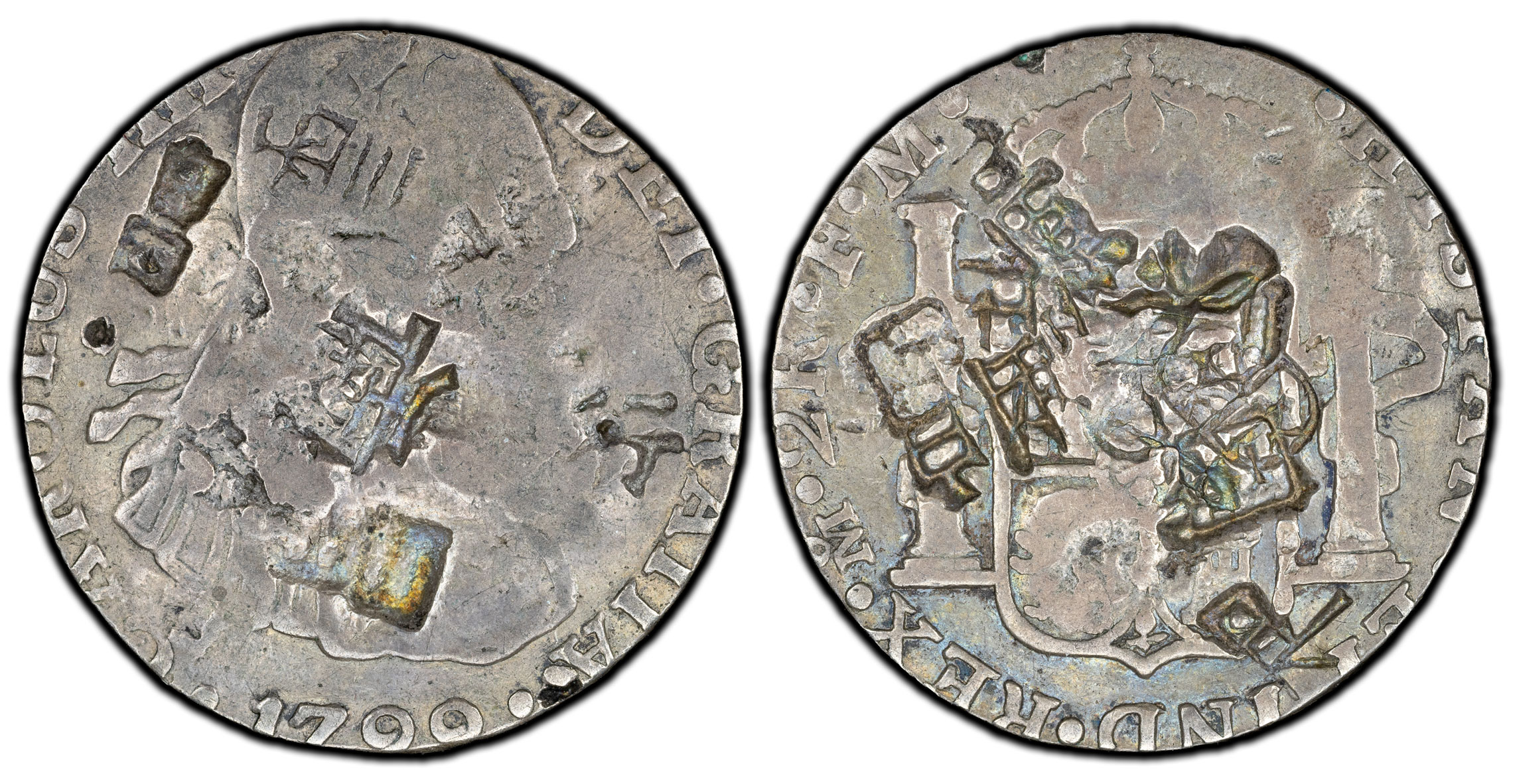
Silver stealing is thought to have been common practice, but it's debatable how much of these practices were intended to theft silver from the coins and how much of it was part of the testing process, executed to break the skin looking for base metal inside.
Drill Mark
Drill marks could simply have been a way to break the surface to check coins for hidden base metal content, but many suspect it was also a way to steal silver, a little
bit at a time.
Scraping / Chiseling
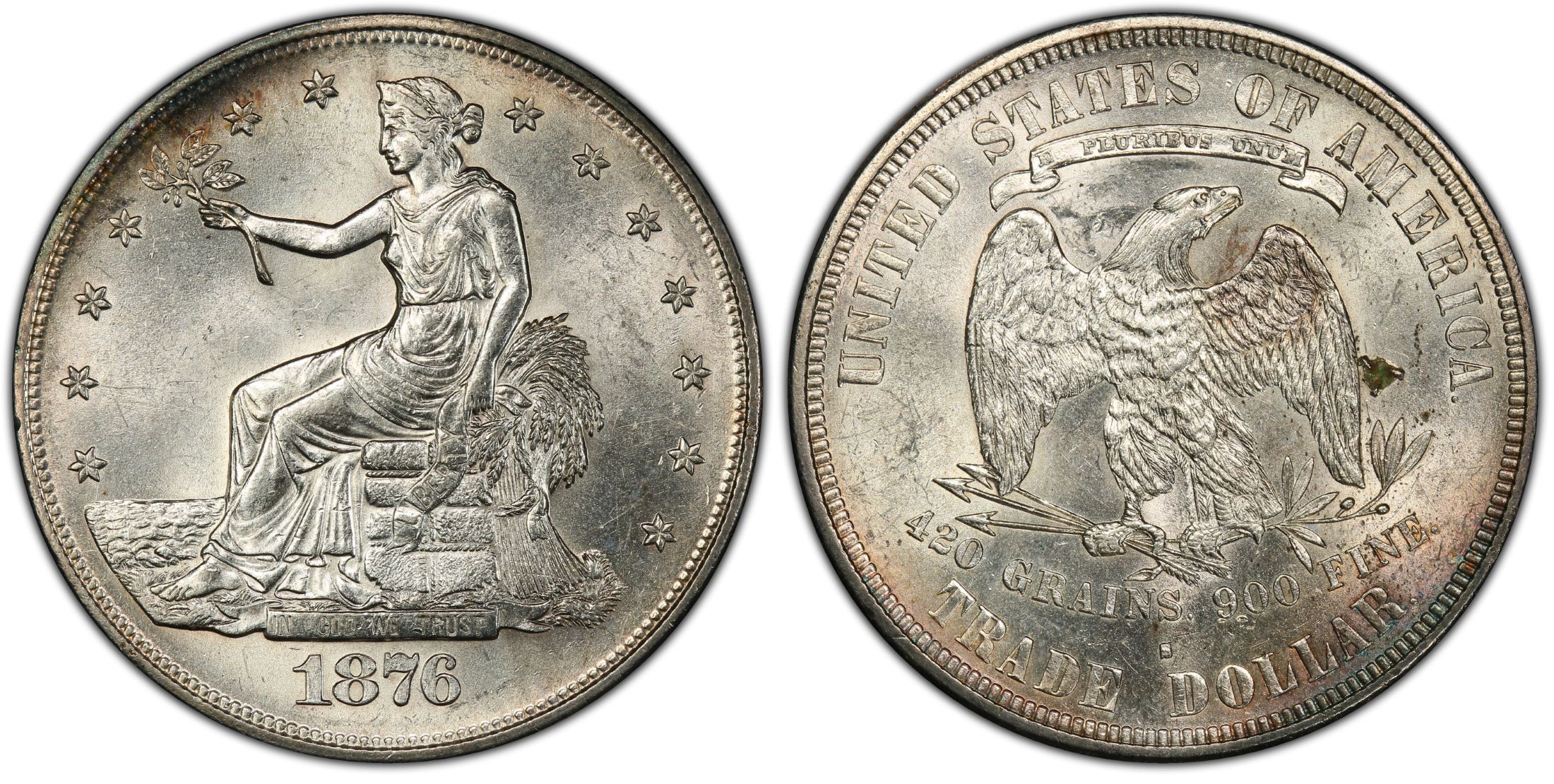
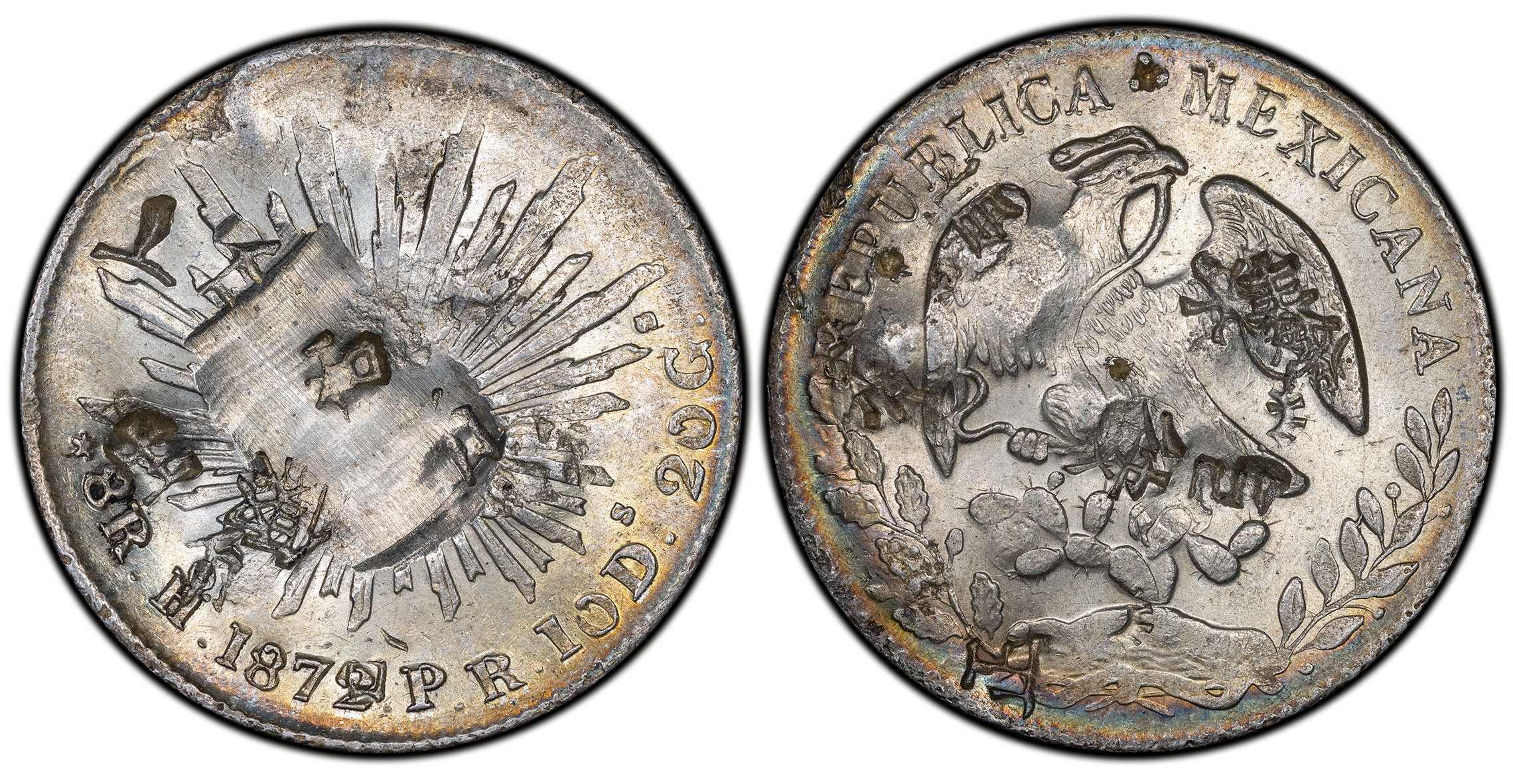
Scraping silver is another practice we see often with chopmarked coinage. This method removes a lot of silver, and coins must have been heavily discounted when
encountered in this condition. This example shows that a coin could still be chopmarked, even after heavy scraping, which backs up the thinking that these
coins traded as bullion by weight, not by type. Curious that the coin below also shows 3 drill marks on the reverse, which seems excessive for exposing hidden base metal.
Center Cutout
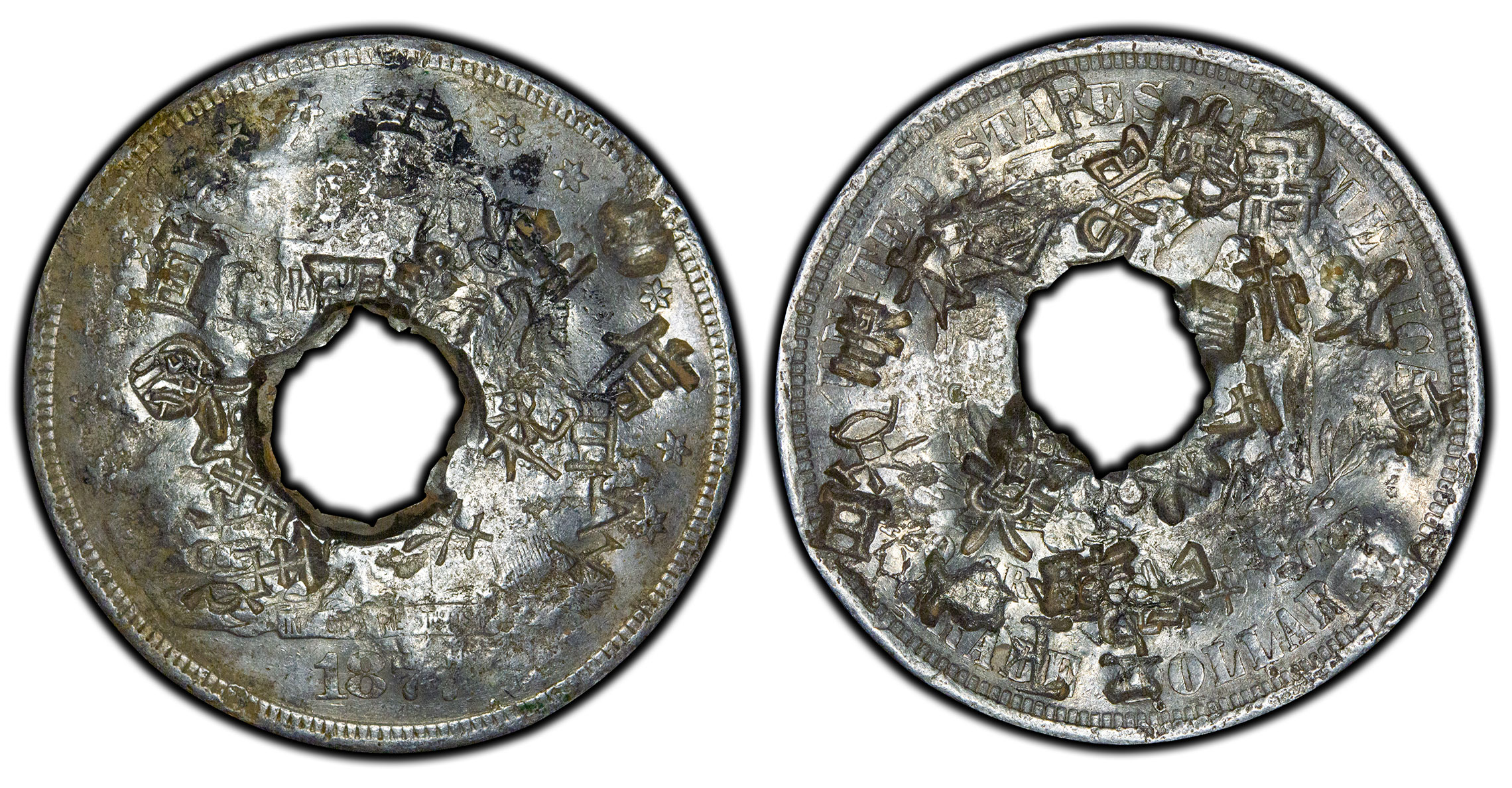
It isn't entirely clear why you find coins with large holes like this one. Sometimes you'll even see them with multiple large holes. This could be an extreme way of searching for base metal under the skin, or it could be yet another form of silver stealing.
Entire Edge Cut Down
As you can see, the entire edge of this coin has been cut down, so much so that the legends and date are only half legible. This is another example of a practice we don't
fully understand, but we can guess that it was a form of silver stealing.