印
Main Collection
Pre-1821 1821-1871 Post-1871 Collection Insights
Other Sets
Mexican Cap & Rays Dragon Dollars Fukien Copper Cash Japan Bar Money With Countermarks & Counterstamps Ink and Paper Bits and Pieces Contemporary Forgeries
Chopmarks
Chopmark Types Unique Chopmarks Silver Stealing How to Identify Chopmarks Fake Chopmarks
Canton Trade
The Canton System People & Roles Shroffing & The Shroff Handbook Production of Goods Along the Pearl River Delta Trade Beyond Canton The Ships of Trade
Resources
Common Questions Online Articles & Publications Recommended Reading Recorded Talks Major Collections The Chopmark Collectors Club
About
About This Page Contact Me
Pre-1821 1821-1871 Post-1871 Collection Insights
Mexican Cap & Rays Dragon Dollars Fukien Copper Cash Japan Bar Money With Countermarks & Counterstamps Ink and Paper Bits and Pieces Contemporary Forgeries
Chopmark Types Unique Chopmarks Silver Stealing How to Identify Chopmarks Fake Chopmarks
The Canton System People & Roles Shroffing & The Shroff Handbook Production of Goods Along the Pearl River Delta Trade Beyond Canton The Ships of Trade
Common Questions Online Articles & Publications Recommended Reading Recorded Talks Major Collections The Chopmark Collectors Club
About This Page Contact Me

Fukien Copper Cash

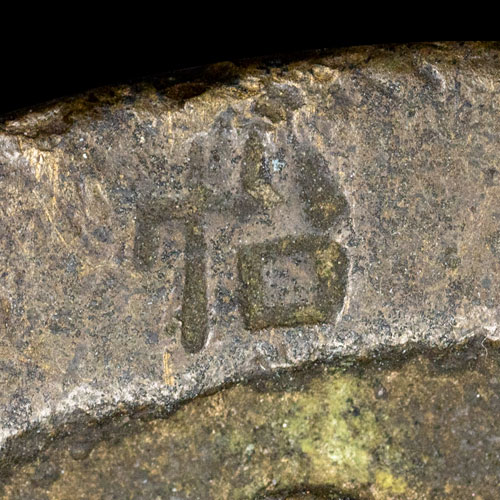
It's quite uncommon to find chopmarks on copper or brass coins. These large Fukien province cash coins c. 1853–1855, cast at the Fuzhou Mint, were emergency copper-alloy issues produced during the fiscal and administrative strain of the Taiping Rebellion era (1850–1864). These oversized pieces bear either the Xianfeng Tongbao (咸豐通寶) or Xianfeng Zhongbao (咸豐重寶) inscription on the obverse, naming the reigning emperor, Xianfeng (r. 1851–1861), with Manchu script on the reverse identifying the Fuzhou mint (ᠪᠣᠣ ᡶᡠ, romanized Boo-Foo, representing 寶福). Their unusually large size and weight was intended to reinforce value at a time when copper shortages, debasement, and counterfeiting had eroded confidence in the more familiar small-denomination cash. Surviving examples show considerable variation in weight, calligraphy, and casting quality, reflecting localized and hurried manufacture. We occasionally find these large cash coins with chopmarks, atypical for base-metal coinage, where such marks are far more commonly associated with silver trade coins, generally understood as local validation / acceptance punches applied by merchants, military pay offices, or regional authorities to confirm circulation or assign an agreed accounting value. The variety of chopmarks found on these coins is small (often you'll see the same mark between two of them) which might signal extremely local circulation or application by a small pool of shroffs.

This set isn't meant to be exhaustive, rather to show the (lack of) variety seen in the chopmarks, and to show a totally different kind of host coinage with chopmarks than we usually see them on.

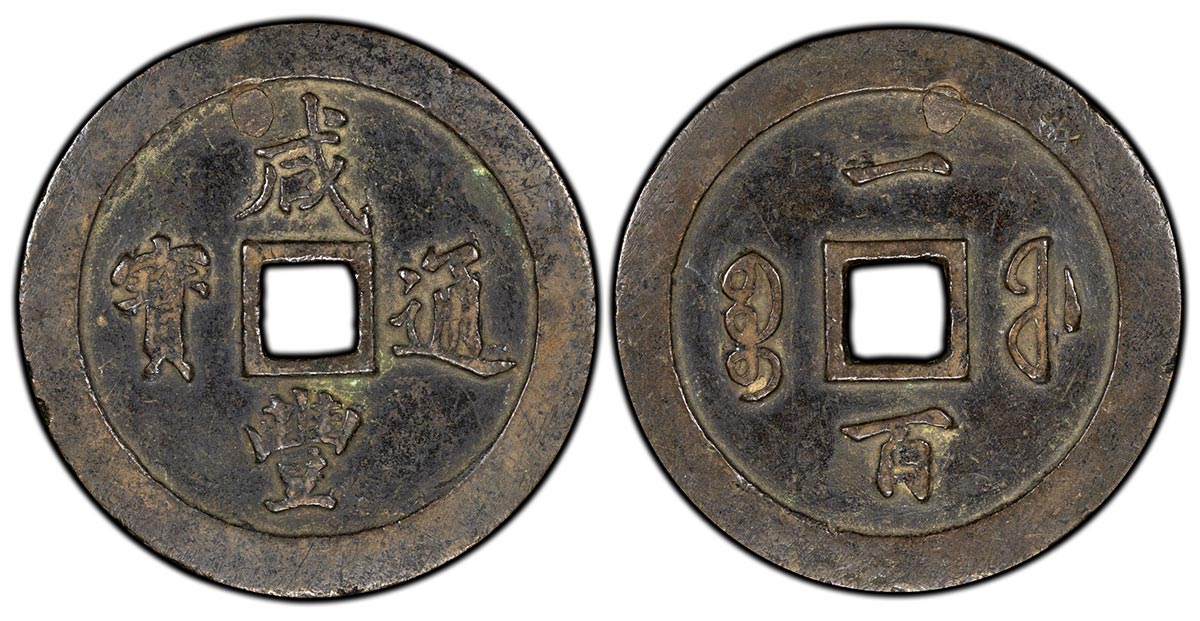
20 Cash - 通 豐 (Tong Bao)
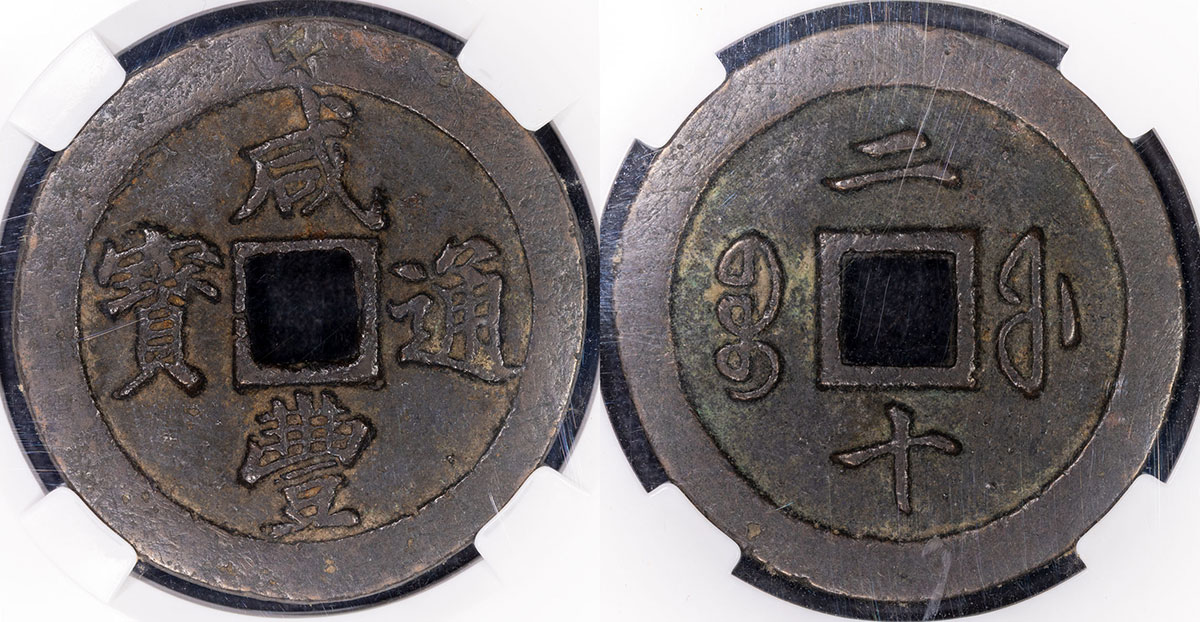
20 Cash - 通 豐 (Tong Bao)

Specifications:
Cast copper, 32.9 grams, 45.2 mm diameter, edge smooth
Recorded mintage: unknown
Catalog reference: Hartill-22.781

Details:
Obverse: four Chinese ideograms, traditional Chinese script, 咸 寶 通 豐 translating to Xian Feng Tong Bao or Xianfeng (Emperor) / Universal currency.

Reverse: two manchu words, read vertically, separated by central hole, with one Chinese ideogram above and one below, 二 ᠪᠣᠣ ᡶᡠ 十 translating to Er Shi / Boo-fu or 20 Cash / Boo-fu (identifying the mint in Fuzhou).

Notable chopmarks:

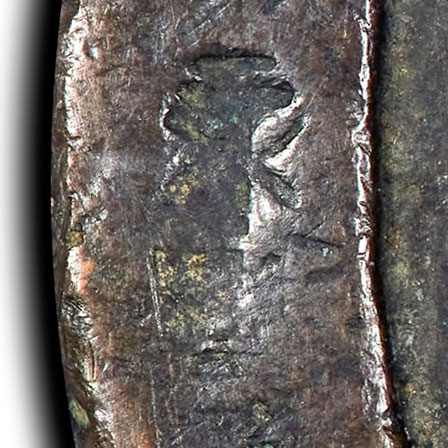
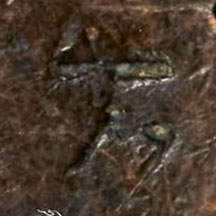
午 - wǔ - the seventh of the twelve earthly branches, the south (obsolete), the horse (obsolete) 午 - wǔ - the seventh of the twelve earthly branches, the south (obsolete), the horse (obsolete)

Provenance:
From the October 10, 2024 Spink Chinese Banknotes and Coins auction, CSS108C Lot #2304

Auction Description:
China, Qing Dynasty, [Zhong Qian 82] brass 20 cash, 'Xian Feng Tong Bao', 1851-1861, 'Bao Fu' (Fukien Province) mint, 45.2x3.1mm, weighs 32.9g, rare high grade example, with merchant chop at obverse. Attractive dark patina overall

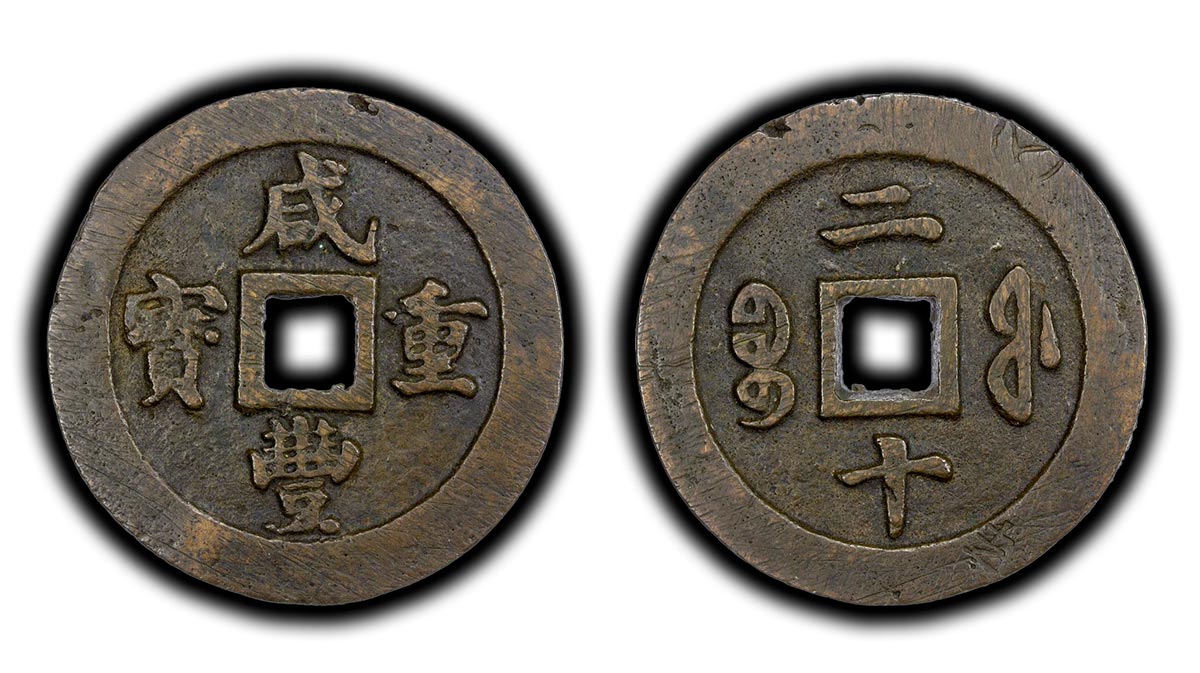
20 Cash - 重 豐 (Zhong Bao)

20 Cash - 重 豐 (Zhong Bao)

Specifications:
Cast copper, 38.95 grams, 47.1 mm diameter, edge smooth
Recorded mintage: unknown
Catalog reference: Hartill-22.798

Details:
Obverse: four Chinese ideograms, traditional Chinese script, 咸 寶 重 豐 translating to Xian Feng Zhong Bao or Xianfeng (Emperor) / large cash currency.

Reverse: two manchu words, read vertically, separated by central hole, with one Chinese ideogram above and one below, 二 ᠪᠣᠣ ᡶᡠ 十 translating to Er Shi / Boo-fu or 100 Cash / Boo-fu (identifying the mint in Fuzhou).

Notable chopmarks:

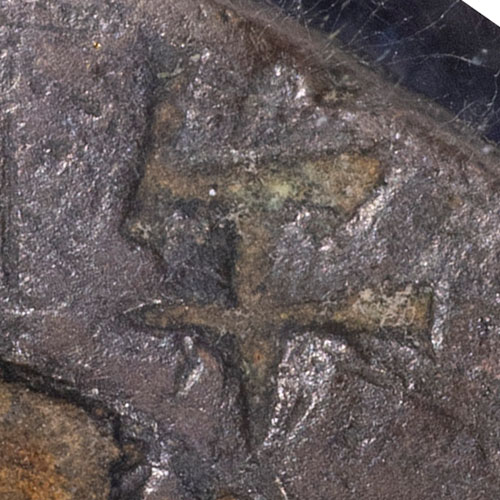
Similar to 㐊 - unknown chopmark - unknown meaning Similar to 㐊 - unknown chopmark - unknown meaning
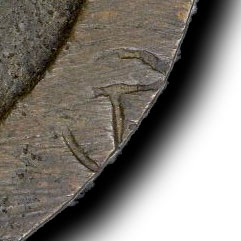
Possibly 丅 - (ancient version of 下) xià - below, down, under Possibly 丅 - (ancient version of 下) xià - below, down, under

Provenance:
From the June 13-16 2024 Stephen Album Rare Coins Auction 49 Lot #1528

Auction Description:
QING: Xian Feng, 1851-1861, AE 20 cash (38.95g), Fuzhou Mint, Fujian Province, H-22.781, 47mm, cast 1853-55, copper (tóng) color, graded 82 (07) by GBCA Grading Company, minor natural casting defects, VF.

20 Cash - 重 豐 (Zhong Bao) with characters for weight on rim (Ex. Murphy)
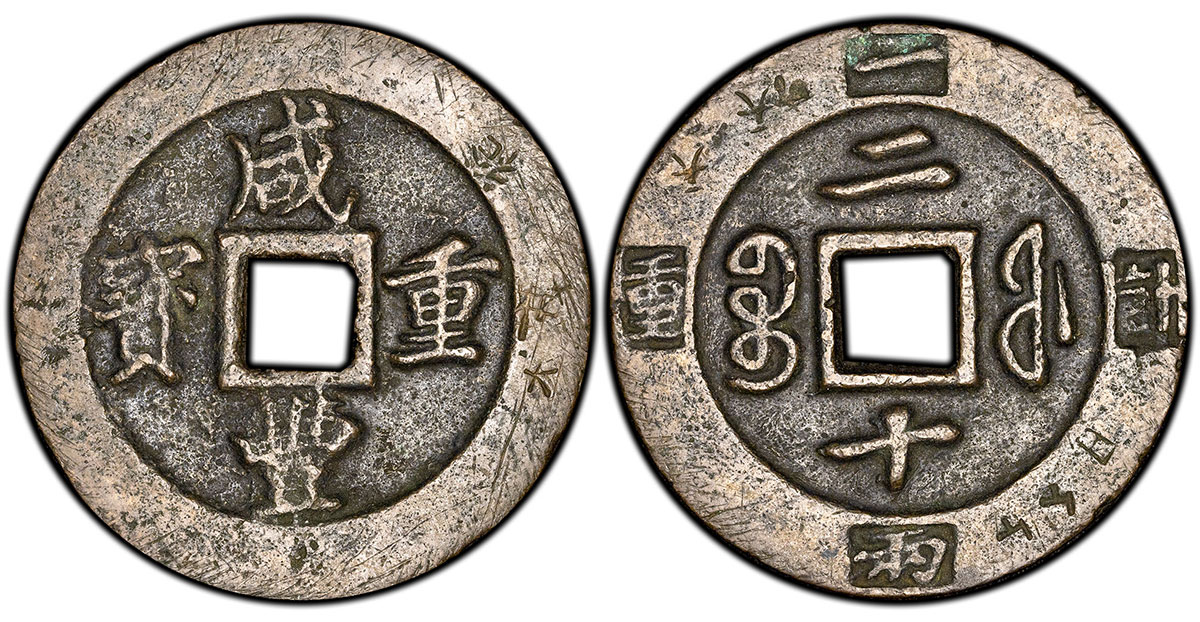
20 Cash - 重 豐 (Zhong Bao) with characters for weight on rim (Ex. Murphy)
Specifications:
Cast copper, 35.71 grams, edge smooth
Recorded mintage: unknown
Catalog reference: Hartill-22.794

Details:
Obverse: four Chinese ideograms, traditional Chinese script, 咸 寶 重 豐 translating to Xian Feng Zhong Bao or Xianfeng (Emperor) / large cash currency.

Reverse: two manchu words, read vertically, separated by central hole, with one Chinese ideogram above and one below, 二 ᠪᠣᠣ ᡶᡠ 十 translating to Er Shi / Boo-fu or 100 Cash / Boo-fu (identifying the mint in Fuzhou).

The outer rim of the reverse carries the additional inscription 兩計重 (yi liang ji zhong), declaring the coin's equivalence to one liang of silver. This weight declaration is the distinguishing feature of the Hartill-22.794 variety and reflects a broader attempt during the Xianfeng large-cash issues to anchor inflated bronze denominations to a silver standard, lending them a credibility that the debased coinage of the period badly needed. In practice, market acceptance of these equivalencies was uneven, and the large-cash series struggled against public skepticism throughout its short production run.

By the 1850s, one liang of silver weighed roughly 37 grams and exchanged for approximately 1.38 Spanish dollars in foreign trade, while domestically its value had climbed to around 2,000 copper cash as silver drained out of China through the opium trade. A laborer's daily wage ran to perhaps 30-50 cash, placing one liang at something close to a month's ordinary earnings. A 20 cash bronze coin declaring itself equivalent to that amount was claiming a value somewhere between 50 and 100 times what its copper content could honestly support, which goes some way toward explaining why the market received the Xianfeng large-cash series with such persistent skepticism.

Notable chopmarks:

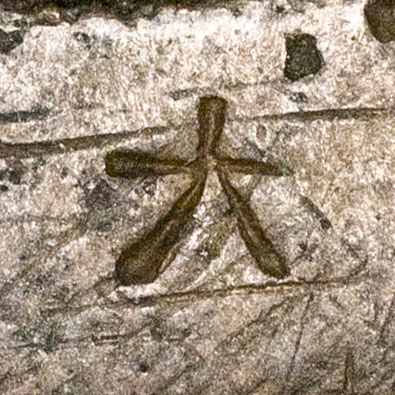
Similar to 大 - dà - big, great, large 大 - dà - big, great, large
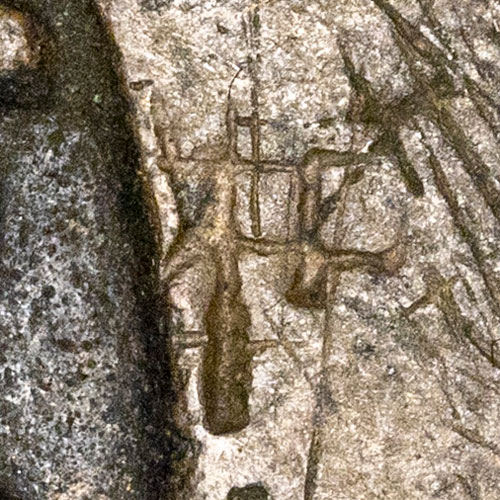
和 - hé - harmony, peace, and 和 - hé - harmony, peace, and
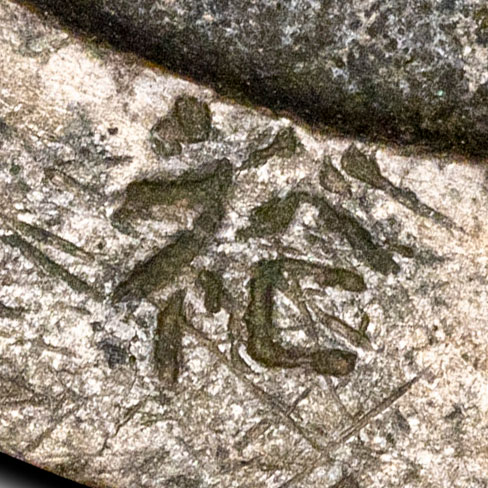
裕 - yù - abundant, rich, plentiful 裕 - yù - abundant, rich, plentiful
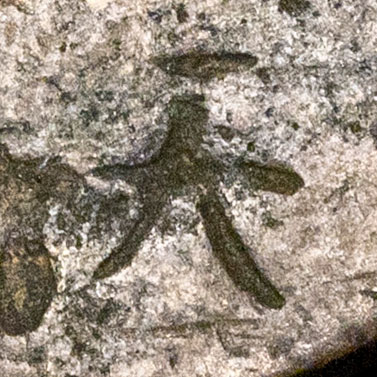
天 - tiān - heaven, sky, day 天 - tiān - heaven, sky, day
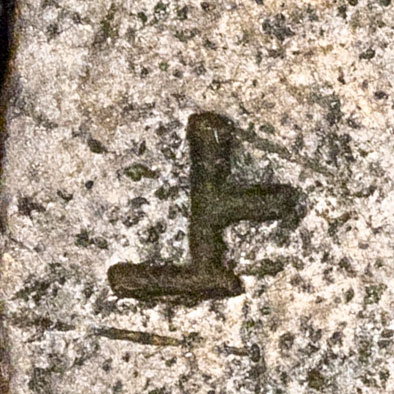
上 - shàng - above, up, top 上 - shàng - above, up, top
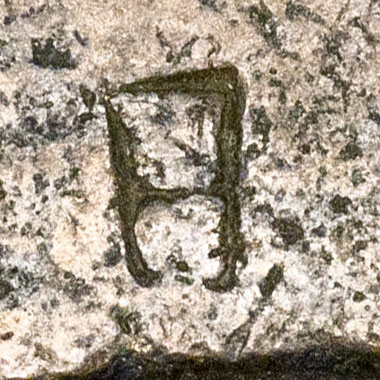
日 - rì - sun, day 日 - rì - sun, day

Provenance:
Purchased from the Stack's Bowers April 2026 Hong Kong Showcase Auction Lot #49578

Auction Description:
CHINA. Qing Dynasty. Fujian. 20 Cash, ND (ca. 1853-55). Fuzhou Mint. Emperor Wen Zong (Xian Feng). VERY FINE Details--Chopmark.

Hartill-22.794; FD-2520; S-1591. Weight: 35.71 gms. Several medium size incuse Chinese chops on the rims including, "天" (Tian), "日" (Ri), "上" (Shang) and "祀" (Si). This handsome example displays rich brown patina with minor earthen deposits amongst the devices and good metal quality. The chops are clear and easily identified, though a few are somewhat uneven. Overall a charming example of the type with a pleasing appearance.

Provenance: From the Edgar Murphy Collection.

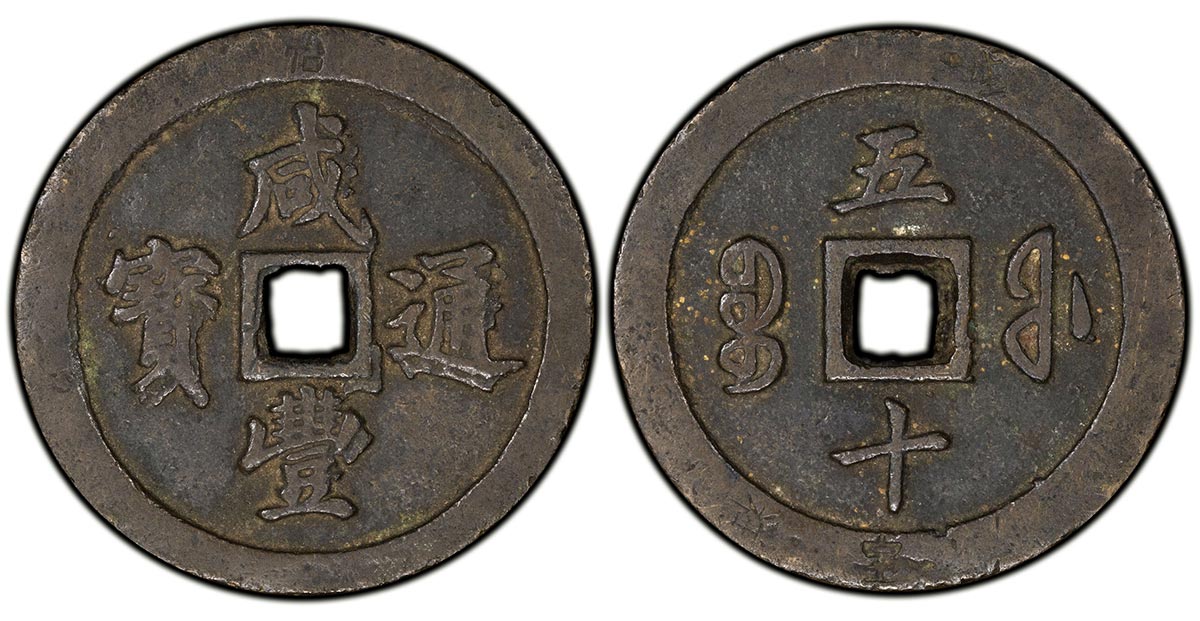
50 Cash - 通 豐 (Tong Bao)

50 Cash - 通 豐 (Tong Bao)

Specifications:
Cast copper, 86.82 g, 56mm diameter, edge smooth
Recorded mintage: unknown
Catalog reference: Hartill-22.782

Details:
Obverse: four Chinese ideograms, traditional Chinese script, 咸 寶 通 豐 translating to Xian Feng Tong Bao or Xianfeng (Emperor) / Universal currency.

Reverse: two manchu words, read vertically, separated by central hole, with one Chinese ideogram above and one below, 五 ᠪᠣᠣ ᡶᡠ 十 translating to Wu Shi / Boo-fu or 50 Cash / Boo-fu (identifying the mint in Fuzhou).

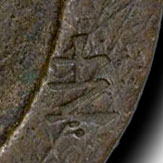
Notable chopmarks:

恰 - qià - exactly, appropriate, suitable 恰 - qià - exactly, appropriate, suitable
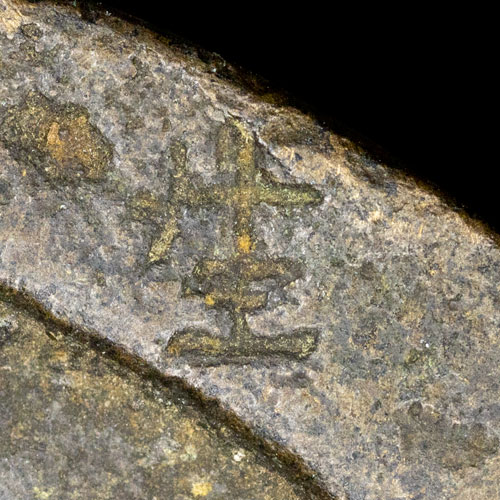
生 - shēng - life, birth, grow 生 - shēng - life, birth, grow
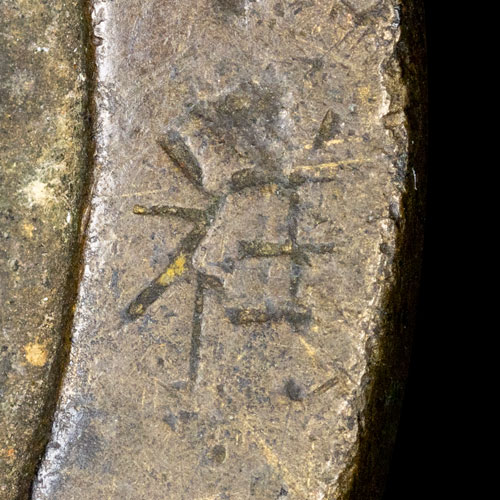
祥 - xiáng - good luck, good omen, auspicious 祥 - xiáng - good luck, good omen, auspicious
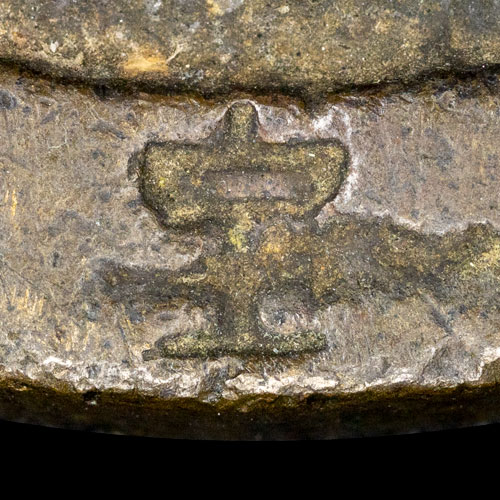
宝 - bǎo - treasure, precious 宝 - bǎo - treasure, precious

Provenance:
From the Heritage June 2024 HKINF World & Ancient Coins Platinum Session and Signature Auction in Hong Kong #3117 Lot #32061

Auction Description: Qing Dynasty. Wen Zong (Xian Feng) (1851-1861) 50 Cash ND (1853-1855) VF, Fuzhou mint, Fukien province, Hartill-22.782. 56mm. Some chop marks on the rims, which Hartill notes as a feature for this large coins from Fujian.

100 Cash - 通 豐 (Tong Bao)

100 Cash - 通 豐 (Tong Bao)

Specifications:
Cast copper, 190.15 grams, 71mm diameter, edge smooth
Recorded mintage: unknown
Catalog reference: Hartill-22.784

Details:
Obverse: four Chinese ideograms, traditional Chinese script, 咸 寶 通 豐 translating to Xian Feng Tong Bao or Xianfeng (Emperor) / Universal currency.

Reverse: two manchu words, read vertically, separated by central hole, with one Chinese ideogram above and one below, 一 ᠪᠣᠣ ᡶᡠ 百 translating to Yi Bai / Boo-fu or 100 Cash / Boo-fu (identifying the mint in Fuzhou).

This is the one dot tong (通) variety, Hartill-22.784, which is similar to Hartill-22.779 which shows the tong with two dots.

Notable chopmarks:

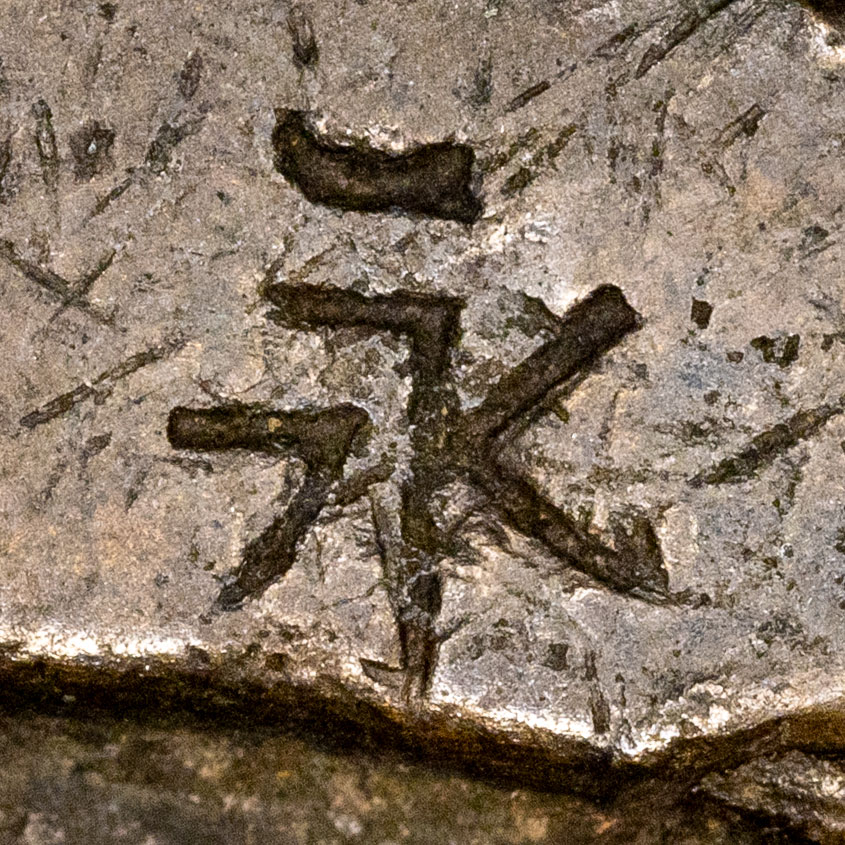
永 - yǒng - eternal, forever 永 - yǒng - eternal, forever
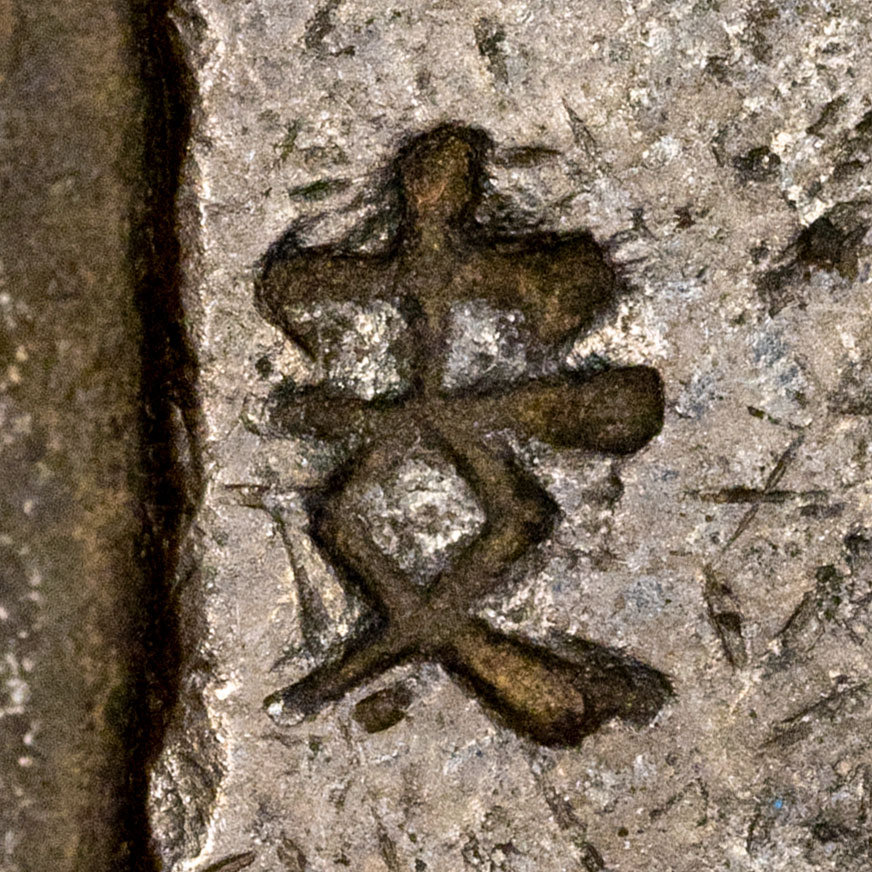
安 - ān - peace, safe, calm 安 - ān - peace, safe, calm
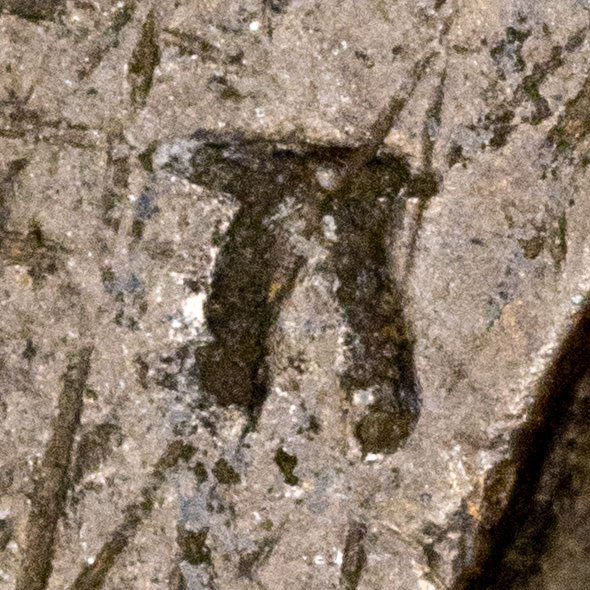
丌 - jī - base for supporting the object above, a surname, also Japanese Hyōgai kanji for 'table' 丌 - jī - base for supporting the object above, a surname, also Japanese Hyōgai kanji for 'table'

Provenance:
Purchased from the March 9, 2023 AB Philea Coin Auction 28 Lot #728

Auction Description:
China, Fukien. Emperor Wen Zong (1851–61), Hartill 22.800, 100 cash ND (1853-55). 190.15 g. Fuzhou mint. Chopmarks on rim as common for the issue (some by the banks). Apparently plugged hole at 11:30 o'clock in field. Ex. Swedish Missionary family stationed in China 1897–1945. VF.

Previously with a Swedish missionary family stationed in China 1897–1945. I don't have specific details, but I was able to learn that the consignor was born in China with surname "Landin". The collectors father immigrated to China in 1897 as a missionary with his wife, and their son was born there and brought up speaking Chinese. In 1945 the family moved back to Sweden due to World War II. This coin was consigned by the collectors son.

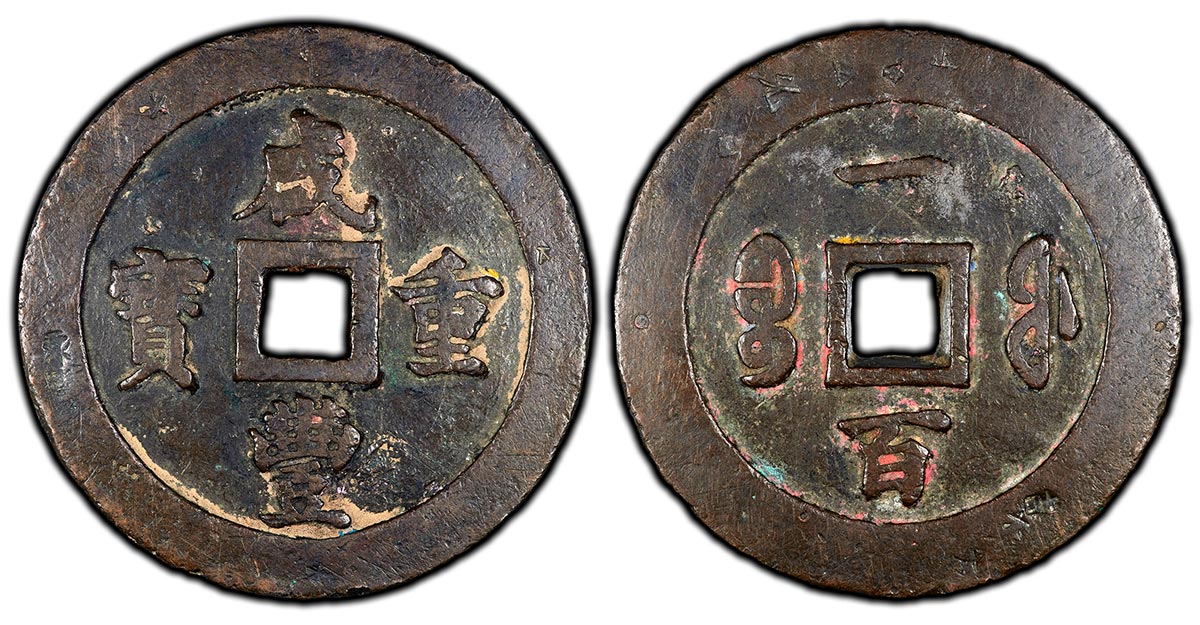
100 Cash - 重 豐 (Zhong Bao)

100 Cash - 重 豐 (Zhong Bao)

Specifications:
Cast copper, 188.4 grams, 71mm diameter, edge smooth
Recorded mintage: unknown
Catalog reference: Hartill-22.800

Details:
Obverse: four Chinese ideograms, traditional Chinese script, 咸 寶 重 豐 translating to Xian Feng Zhong Bao or Xianfeng (Emperor) / large cash currency.

Reverse: two manchu words, read vertically, separated by central hole, with one Chinese ideogram above and one below, 一 ᠪᠣᠣ ᡶᡠ 百 translating to Yi Bai / Boo-fu or 100 Cash / Boo-fu (identifying the mint in Fuzhou).

Notable chopmarks:

Unknown chopmark Unknown chopmark

万 - wàn - ten thousand, myriad, also Japanese Kanji for various, many, all 万 - wàn - ten thousand, myriad, also Japanese Kanji for various, many, all
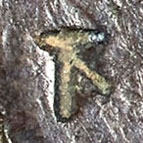
下 - xià - below, down, under, (丅 is the simplified or ancient version) 下 - xià - below, down, under, (丅 is the simplified or ancient version)
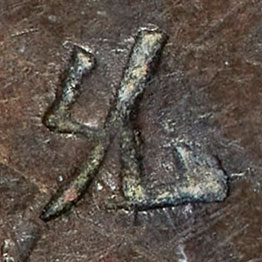
乆 - (variant of 久) jiǔ - long time, old story, a surname 乆 - (variant of 久) jiǔ - long time, old story, a surname
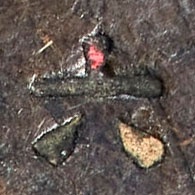
六 - liù - six 六 - liù - six
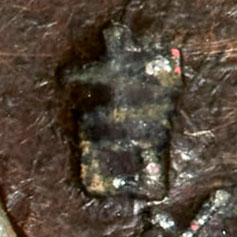
吉 - jí - auspicious, lucky 吉 - jí - auspicious, lucky
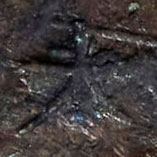
大 - dà - big, great, large 大 - dà - big, great, large
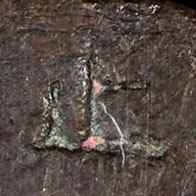
正 - zhèng - correct, straight, upright 正 - zhèng - correct, straight, upright

Provenance:
Purchased from Heritage Auctions December 2023 HKINF World Coins Platinum Session and Signature Auction Lot #35161

Auction Description:
An Expansive 100 Cash

Qing Dynasty. Wen Zong (Xian Feng) 100 Cash ND (1853-1855) Certified 80 by Gong Bo Grading, Fuzhou mint (Fukien Province), Hartill-22.800. 71mm. 188.4gm. A monumental survivor whose presence is immediately recognized in-hand, the largest of this scarce series and desirable as such, offered here with clear motifs and a few chopmarks to confirm it's prolific use in circulation.

Treasures from the W & L Collection

© 2026 chopmarkedcoins.com. All rights reserved. Terms of Use & Copyright