Roles of The Canton Trade
Trade at Canton moved through a chain of intermediaries, each with a defined role in moving goods and silver between foreign ships and the Chinese market. Imperial officials set the rules, hong merchants controlled access, and a network of shroffs, compradors, interpreters, and boatmen handled the daily work of making it all function. This page introduces the key figures in that chain and the roles they played.
Qing Imperial Officials
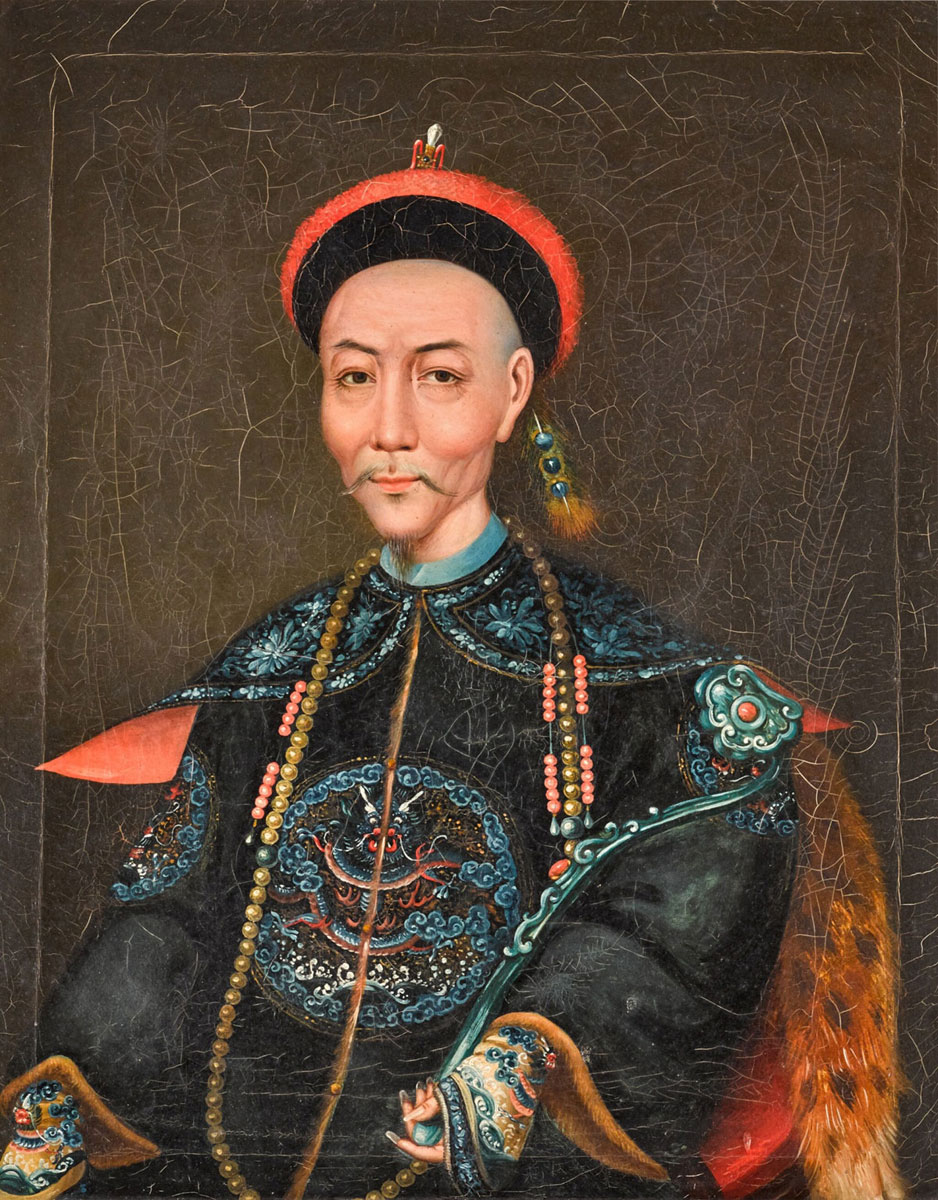
At the top of the system were imperial officials appointed by the Qing court, responsible for setting and enforcing the rules that governed foreign trade. They determined the trading season, controlled port access and customs authority, and strictly limited where foreigners could live and move. Direct commercial dealings were deliberately avoided; instead, officials ruled through regulation and delegation, keeping the state strictly separated from the marketplace while firmly shaping its rules.
Hoppos
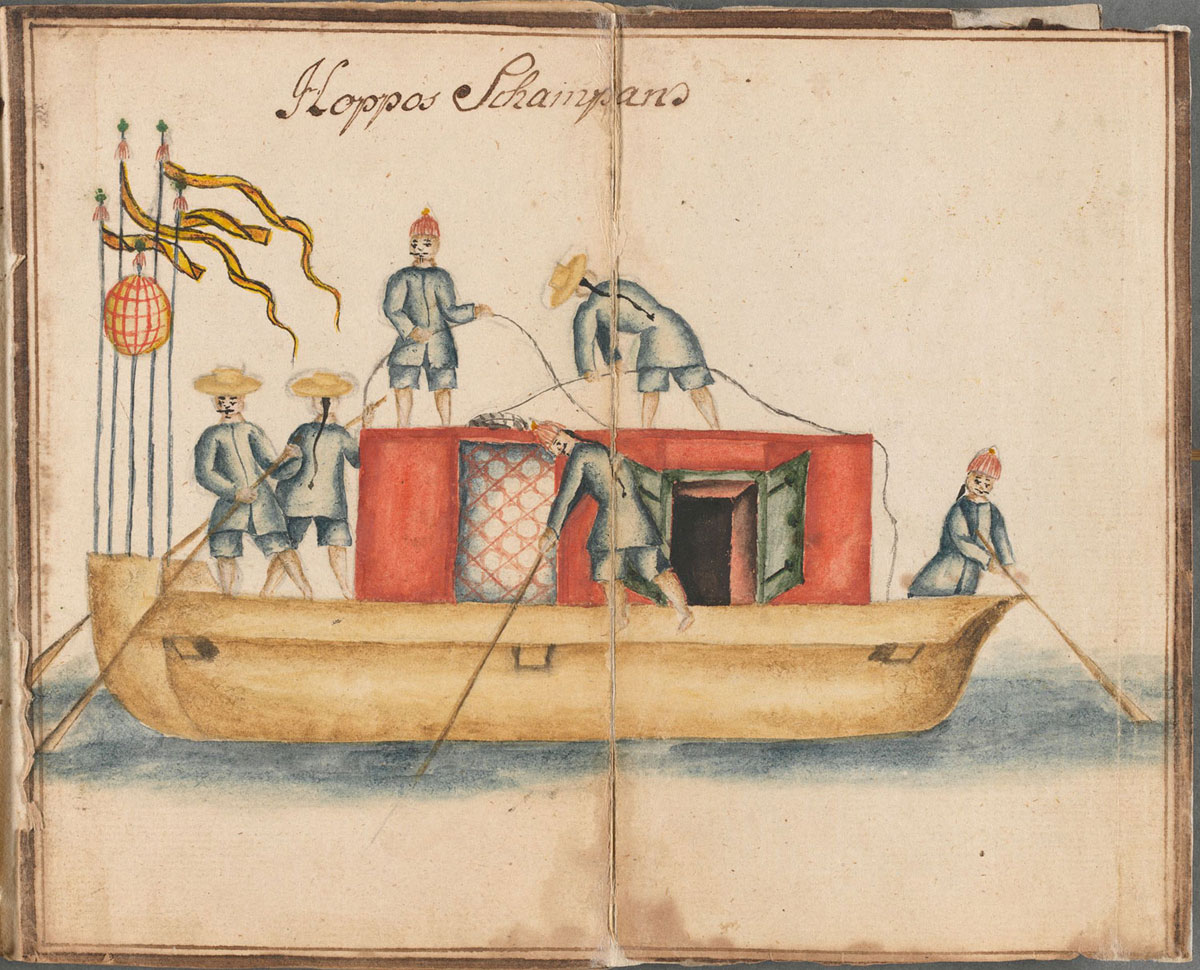
The Hoppo, the imperial superintendent of maritime customs, was the state’s active presence in the port. He assessed and collected customs duties, licensed vessels and merchants, and approved official documents bearing the Grand Chop, without which no cargo could legally move. Though invested with sweeping authority, the Hoppo relied on merchant intermediaries and local expertise, navigating the constant tension between imperial demands and the realities of trade. This post was notoriously lucrative and often corrupt, but central to Qing fiscal control.
Hong Merchants
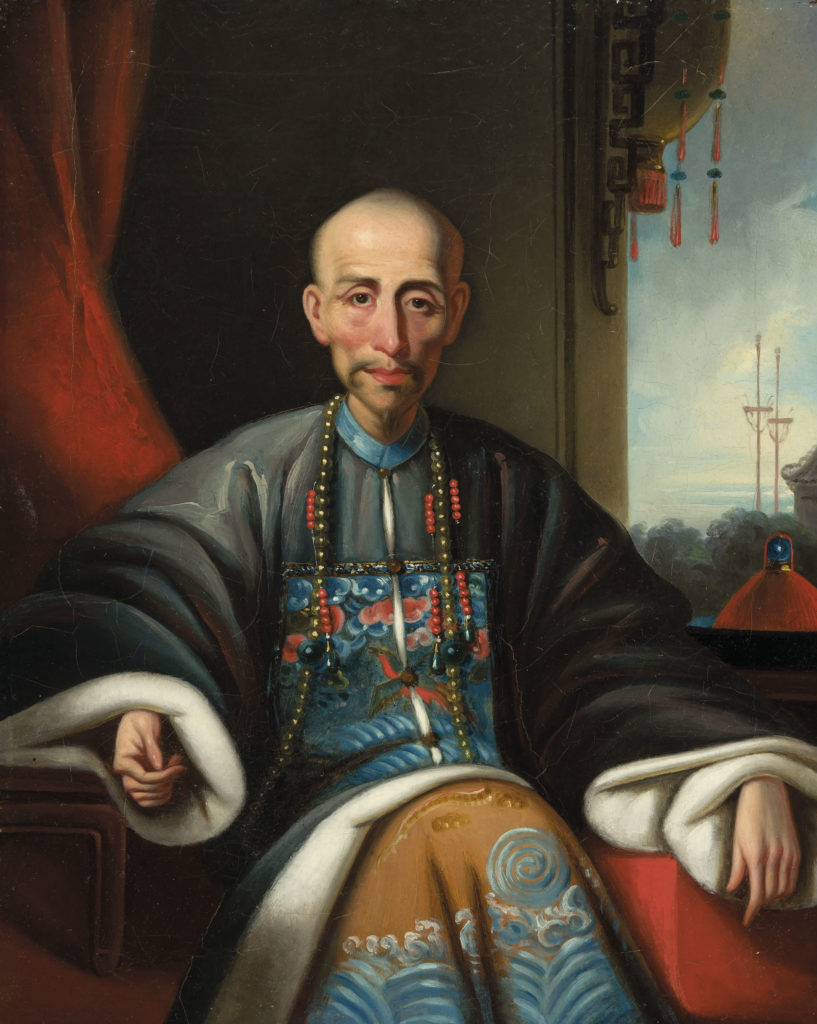
Licensed hong merchants, a small guild of elite Chinese merchant houses collectively known as the Cohong, formed the essential bridge between the Qing state and foreign commerce. Acting as the critical buffer between the Qing state and foreigners, they negotiated prices, extended credit, guaranteed foreign merchants’ behavior, and assumed financial responsibility for unpaid debts or violations. Their role required both commercial skill and political caution, as failure could bring ruin not only to the firm but to the wider trading community. Successful hong merchants such as Howqua were incredibly wealthy.
Foreign Merchants
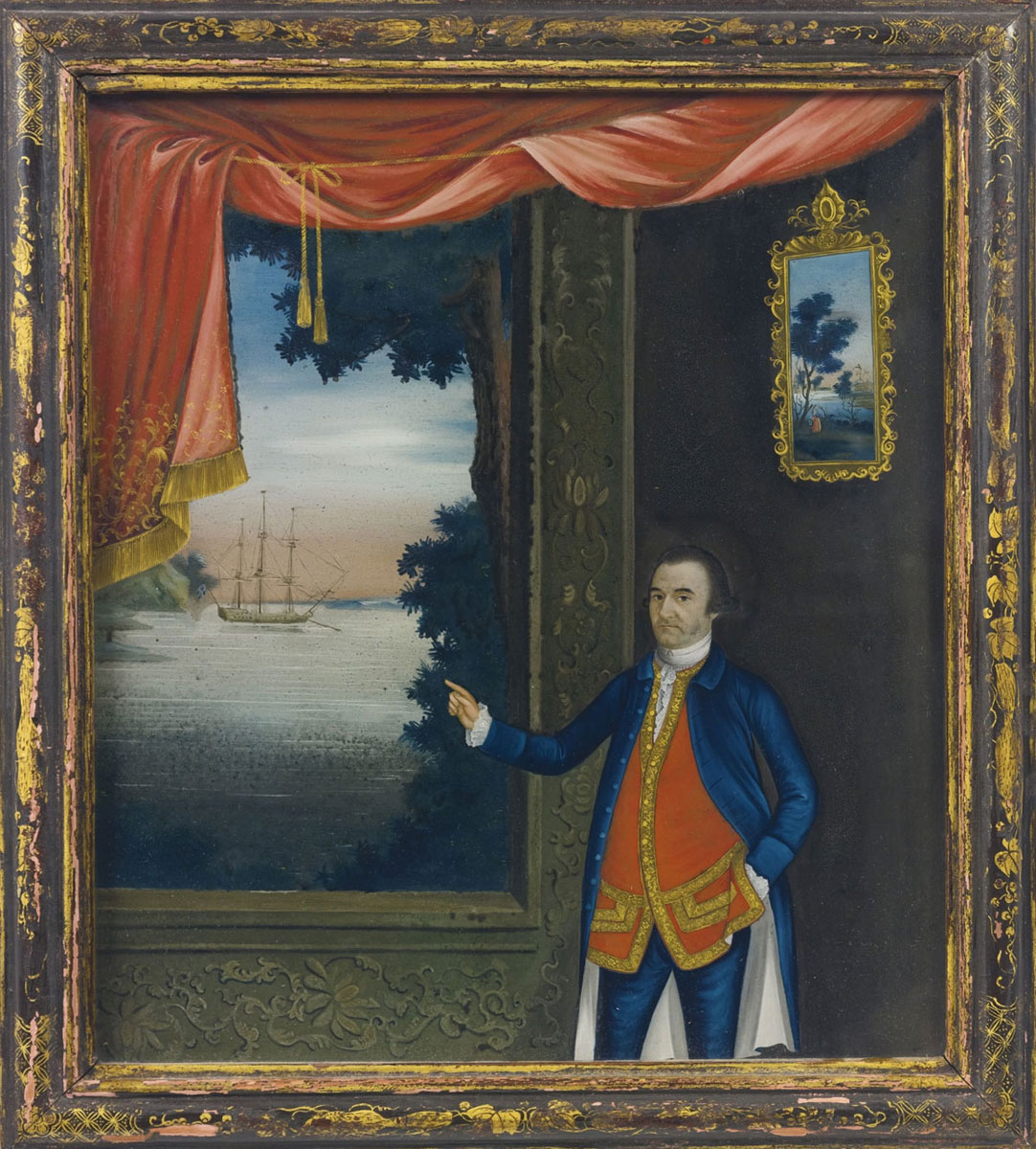
Foreign merchants (British, Dutch, American, French, Danish, and others, often backed by chartered companies such as the British East India Company) came to Canton in search of tea, silk, porcelain, and other Chinese goods. They imported silver to pay for these wares, but did so on Chinese terms, confined to the Thirteen Factories and limited to approved trading seasons. Barred from direct access to Chinese officials or inland markets, they conducted all business through the hong merchants. Success depended on patience, reputation, and careful management of credit across long distances and cultural divides.
Ship Captains
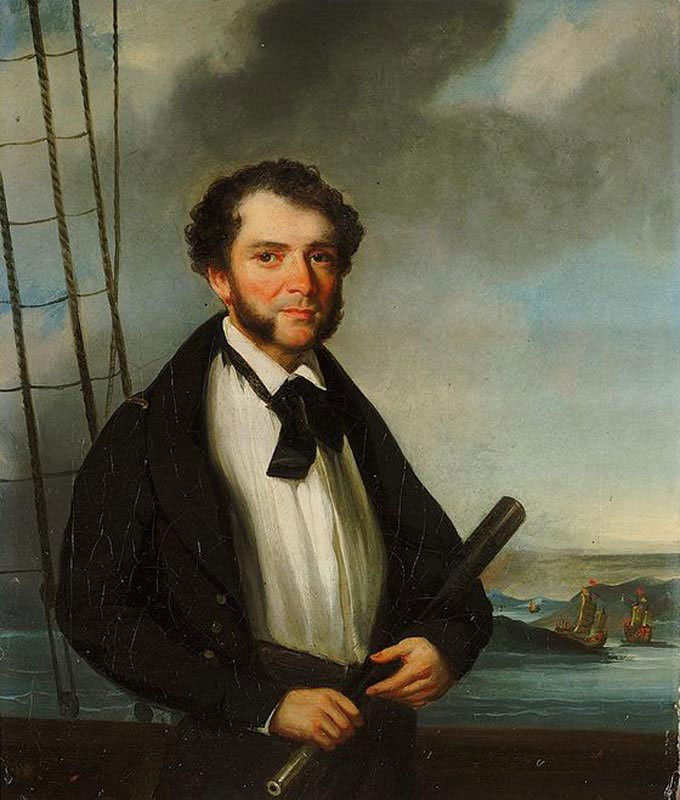
Ship captains controlled the movement of people and goods into the Canton trade. They timed arrivals with monsoon winds, anchored in designated waters, safeguarded cargo, and often represented their firms in early negotiations. Responsible for both vessel and crew, they experienced Canton as a place of intense activity followed by long periods of waiting.
Shroffs (or Schroffs)
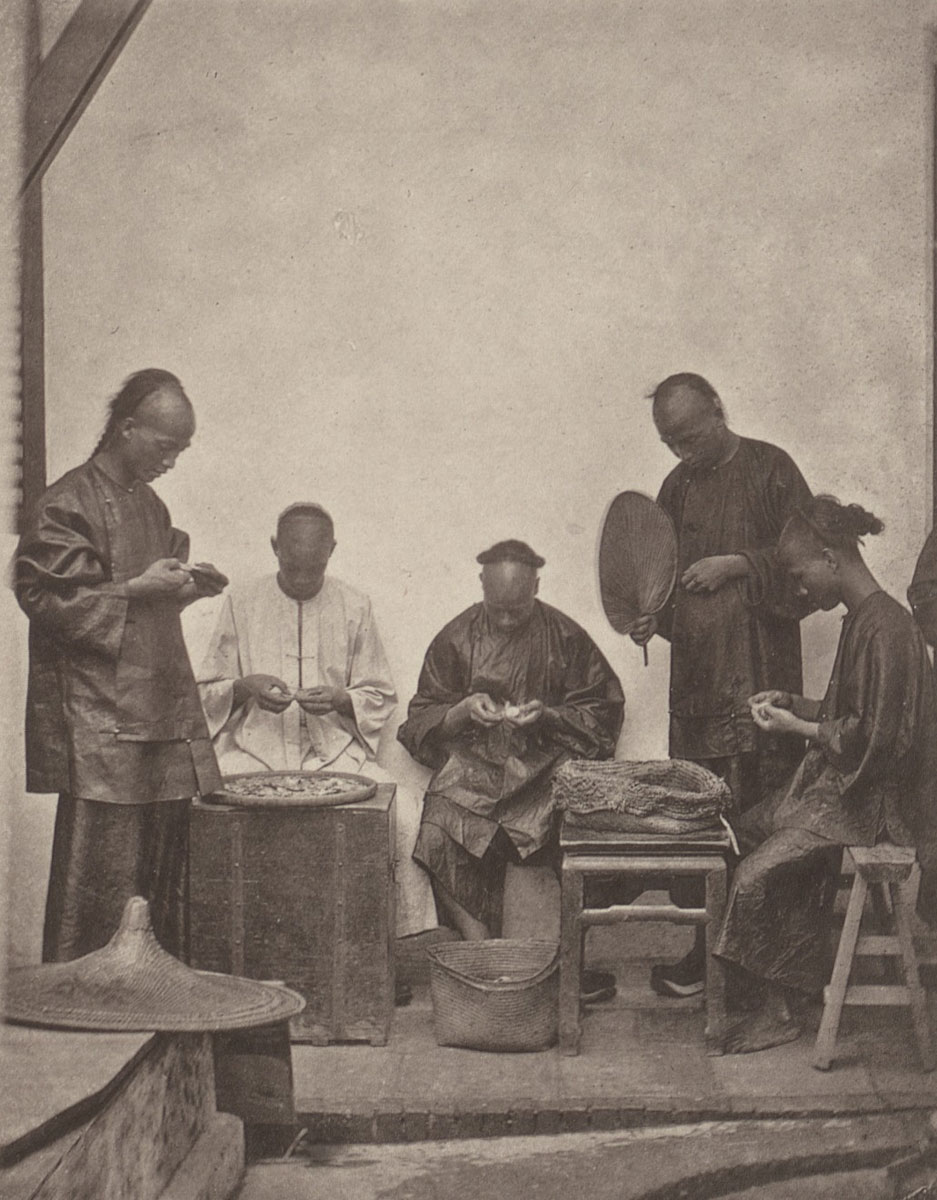
Shroffs were responsible for turning foreign silver into usable money within the Canton trade. They weighed silver coins and ingots, tested fineness by cutting, filing, ringing, and applying acids, and judged each piece according to local standards. Coins might be accepted at full value, rejected outright, or discounted for weight or purity. When approved, shroffs often applied chopmarks as personal or institutional guarantees, marking silver that could now circulate with trust.
Compradors
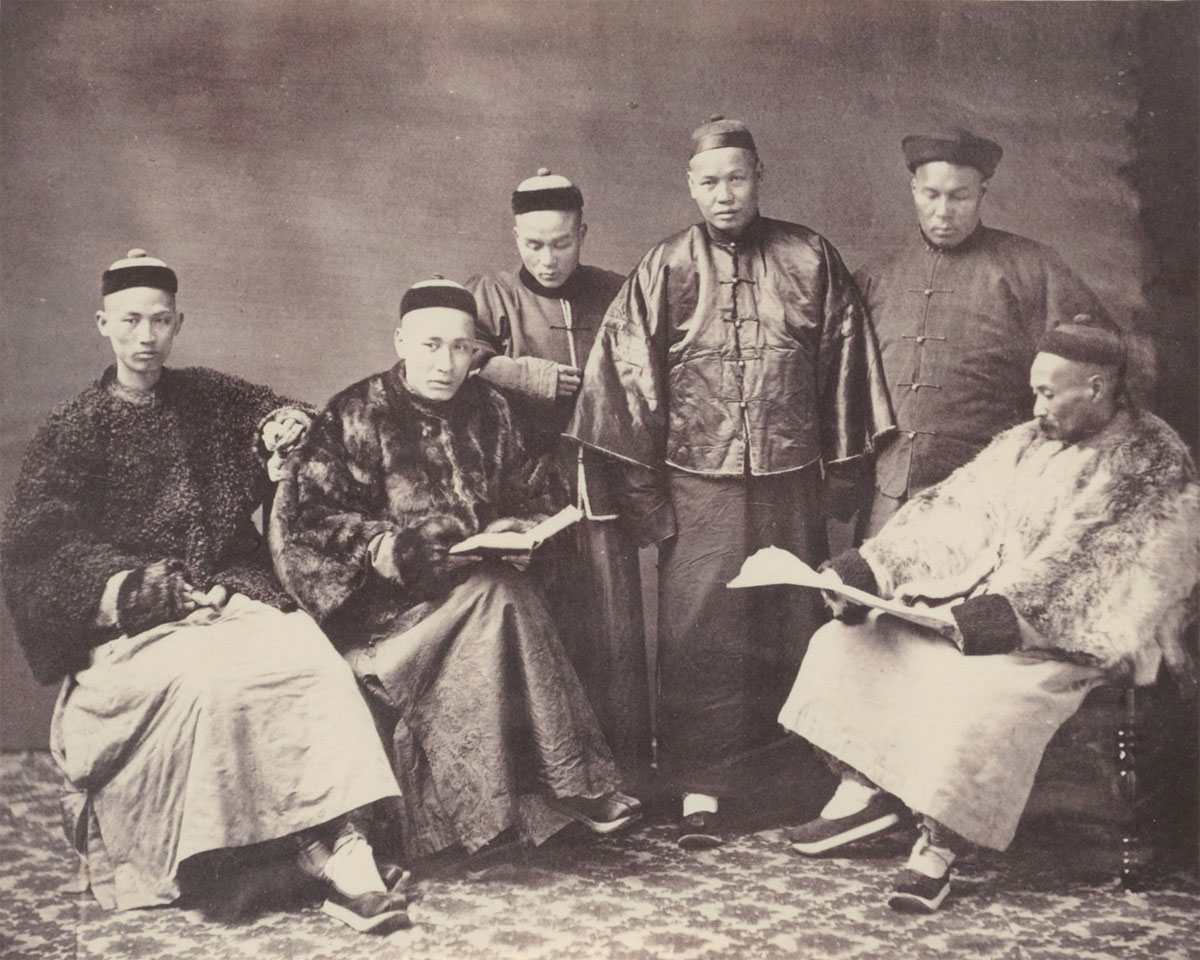
Compradors served as the principal Chinese agents of foreign trading firms, managing daily operations within the strict limits placed on foreigners. Employed directly by Western merchants, they hired staff, procured supplies, arranged transport, handled payments, and navigated local credit and silver markets. More than translators or clerks, compradors carried personal responsibility for their firm’s dealings, advancing funds, extending trust, and mediating disputes. In practice, they made foreign commerce possible by translating not only language, but custom, risk, and reputation.
Chinese Brokers, Clerks & Linguists
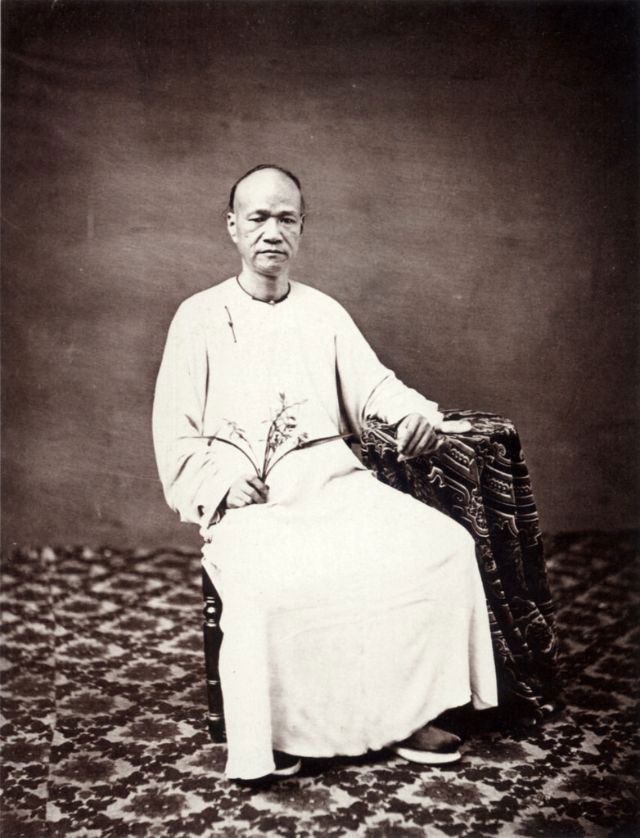
Brokers, clerks, and interpreters handled the daily mechanics of trade. They translated languages and contracts, kept accounts, conveyed instructions, and ensured agreements were executed as intended. Much of the system’s stability rested on their accuracy, continuity, and familiarity with both Chinese and foreign commercial practice.
Port Laborers & Boatmen
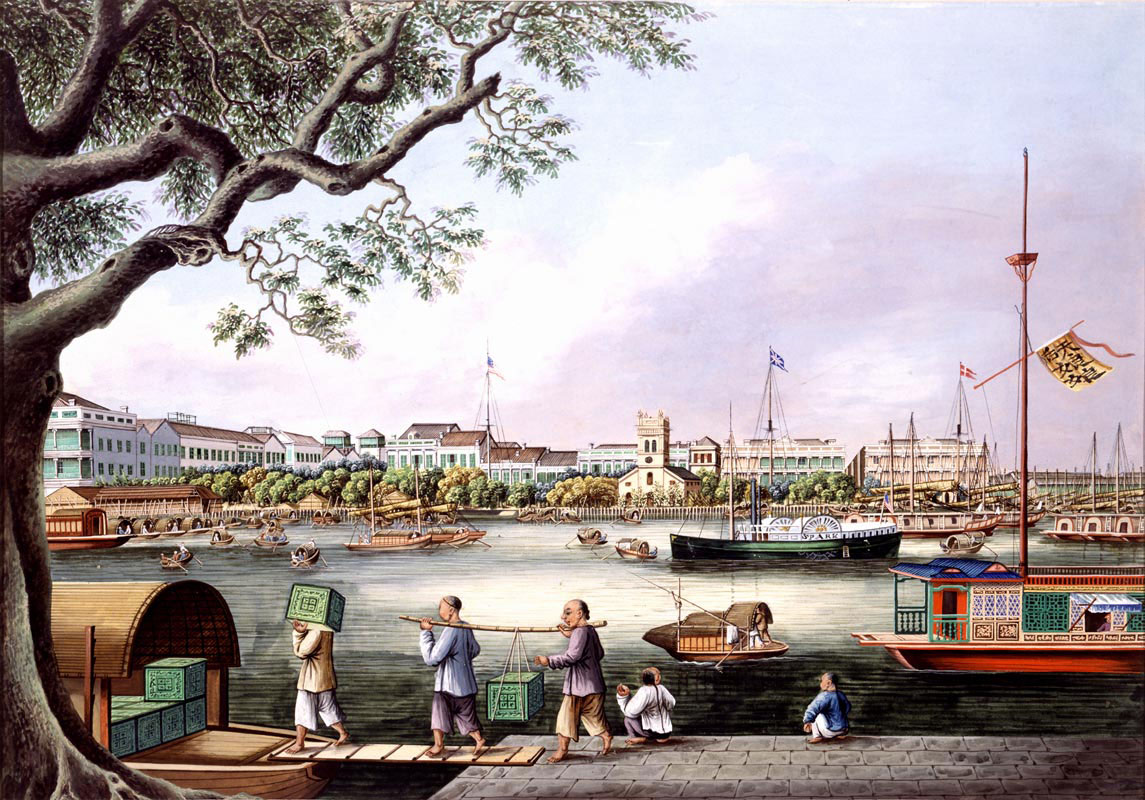
Port laborers and boatmen carried out the physical work of commerce. They loaded and unloaded cargo, ferried silver and goods between ship and shore, and kept traffic moving along the river. Though rarely named in records, their labor formed the foundation upon which the entire system rested.
Working Together
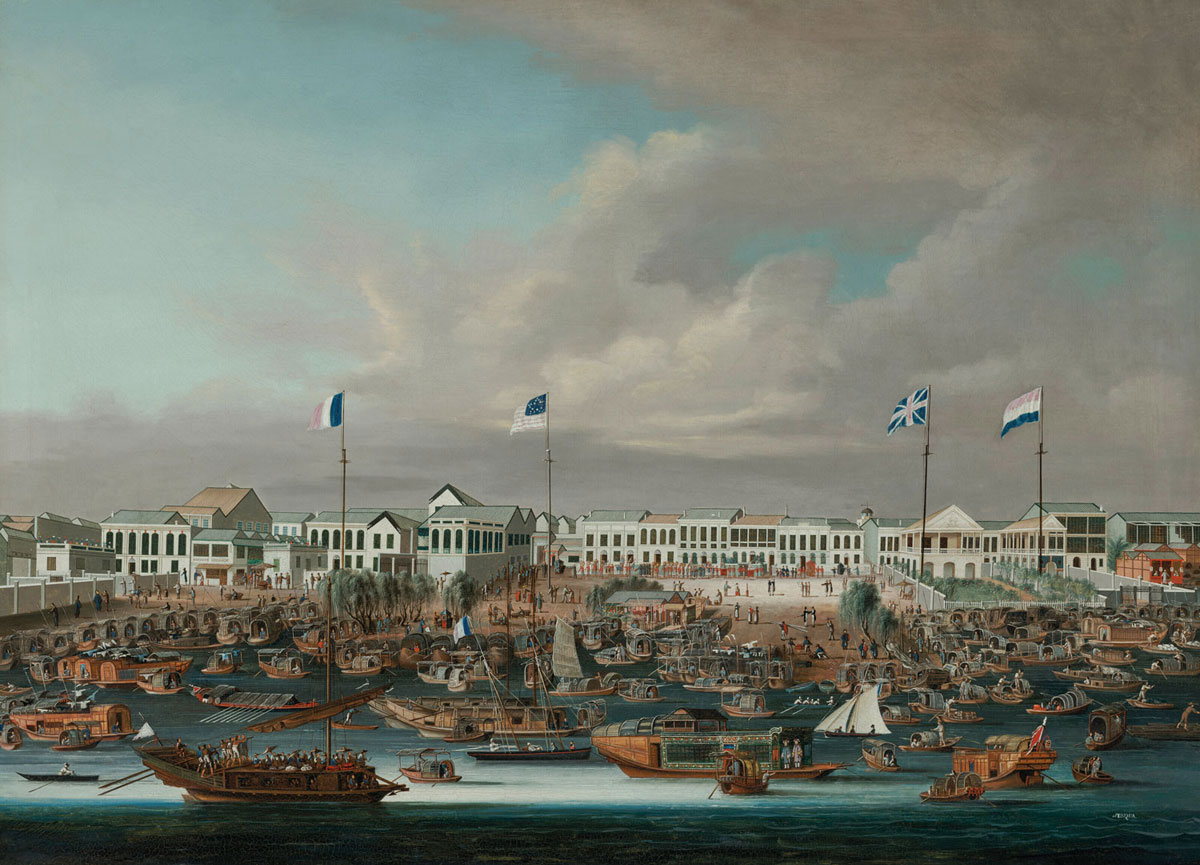
The Canton System worked because each role was clearly defined and tightly bounded. Officials governed trade without engaging in it, hong merchants conducted commerce while bearing its risks, shroffs certified value without issuing coin, and foreign merchants supplied silver while lacking autonomy. Along the riverfront, coins moved from ship to shore, paused on wooden scales, rang beneath tools - punch or blade, and passed on again bearing fresh marks - small but important signs of trust earned in the the larger system of trade.