The Canton System: A Gateway to Global Trade
Trade, Control, and Silver in Qing China
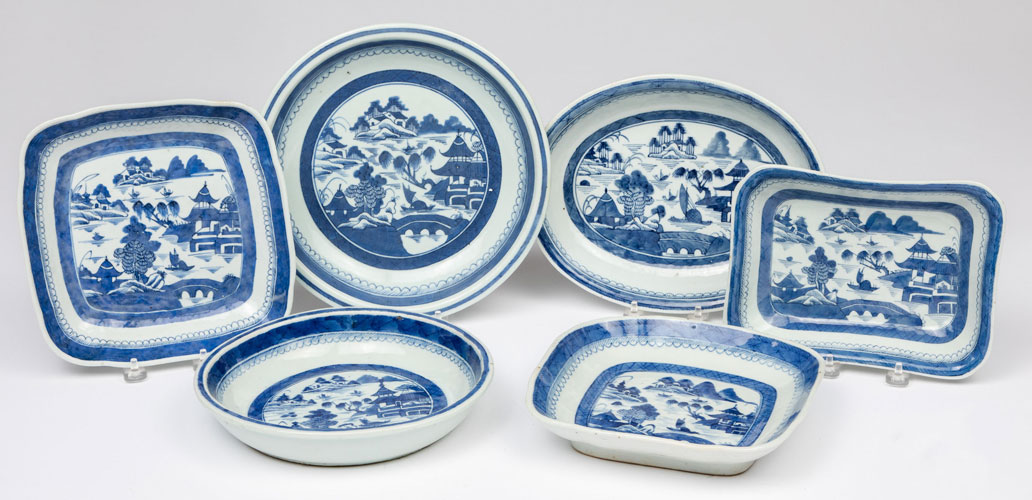
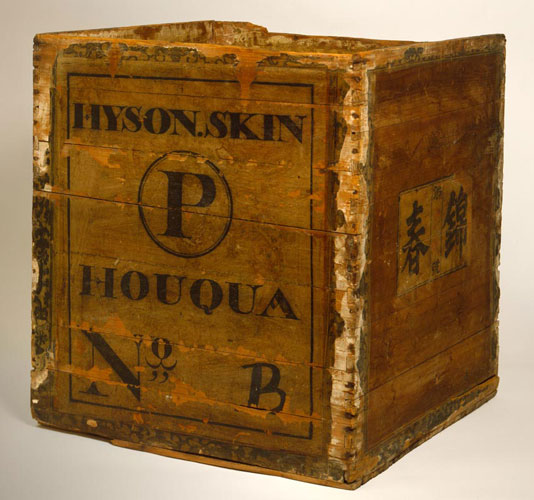
By the eighteenth century, China had centuries of experience with overseas trade and the disruptions it could bring. Along the southern coast, smuggling, piracy, and unsanctioned dealings with foreign merchants were regular concerns. Silver flowed through unofficial channels, beyond the reach of regular taxation or supervision. The Qing empire did not seek to halt foreign commerce, but needed to reign it in. In 1757, this approach was formalized in what became known as the Canton System.
Foreign Pressure and Imperial Limits
European interest in Chinese goods expanded steadily during the late 17th through 18th century, especially in Britain, where tea had become a national habit. British embassies and merchant ventures sought broader access and more favorable terms, pressing against long-standing Chinese assumptions about trade as a regulated privilege rather than a negotiated right. From the Qing perspective, foreign merchants were valuable as trading partners, but not central to the empire, and their presence required firm boundaries.
Why Canton?
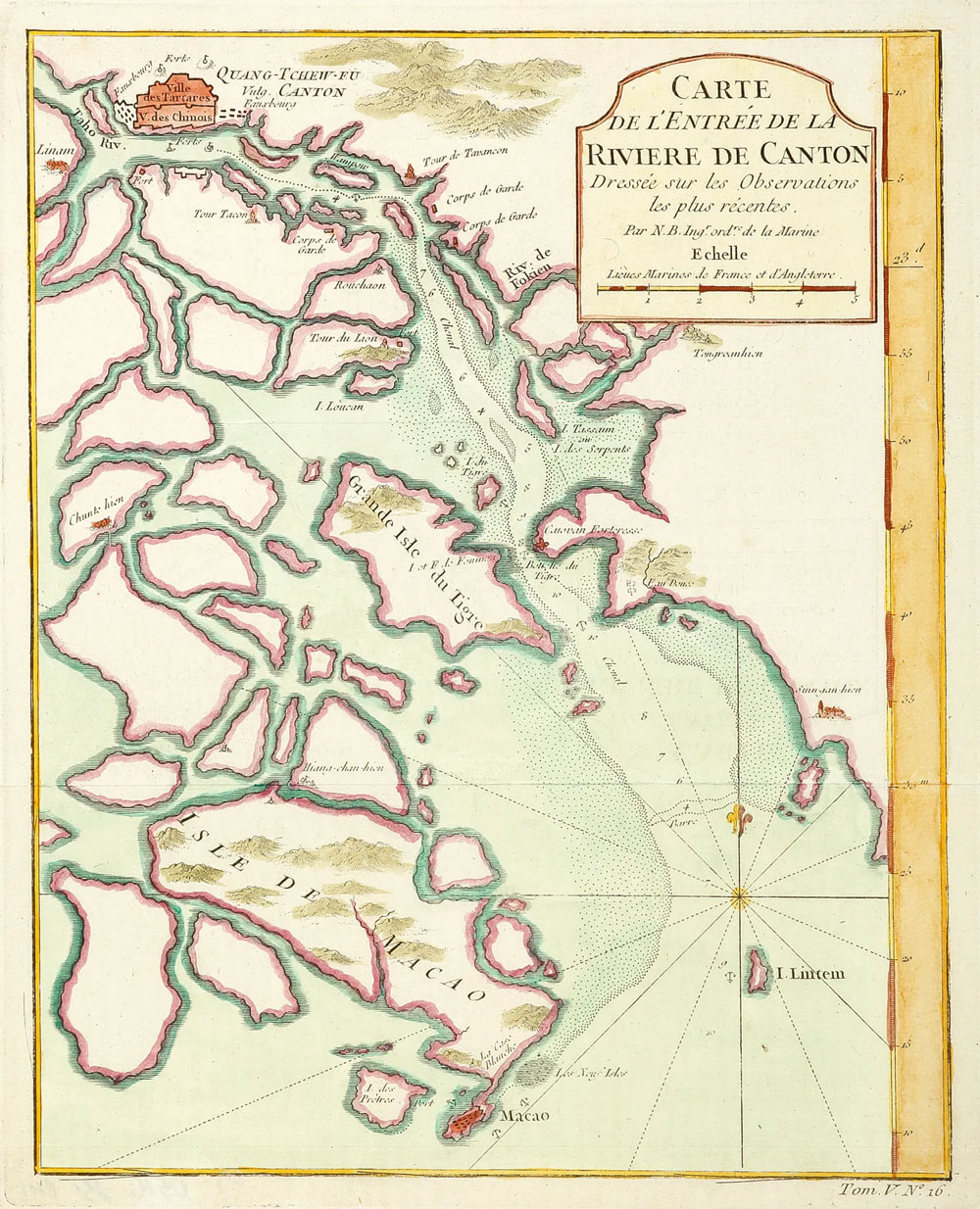
Canton (Guangzhou) offered the solution. Located deep within the Pearl River Delta, it was accessible to ocean-going ships yet distant from China’s political centers and inland markets. By confining all legal foreign trade to a single port, the empire could monitor activity, collect revenue, and limit foreign movement without spreading its resources thin along the numerous coastal ports.
Geography as Control
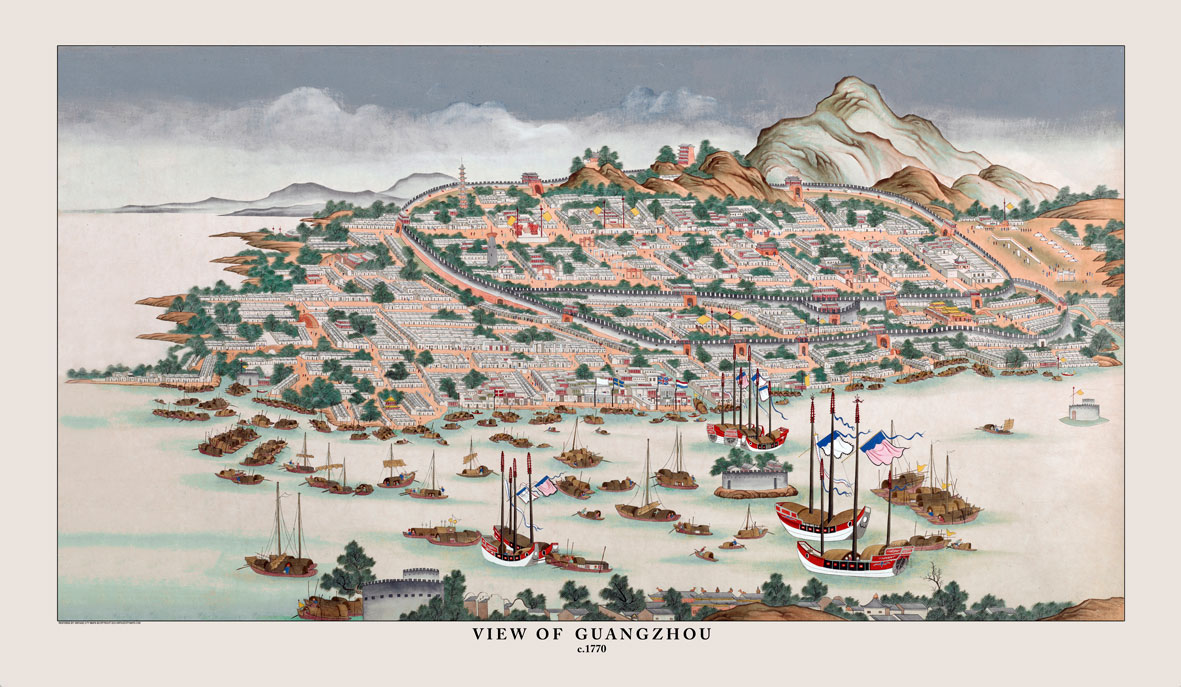
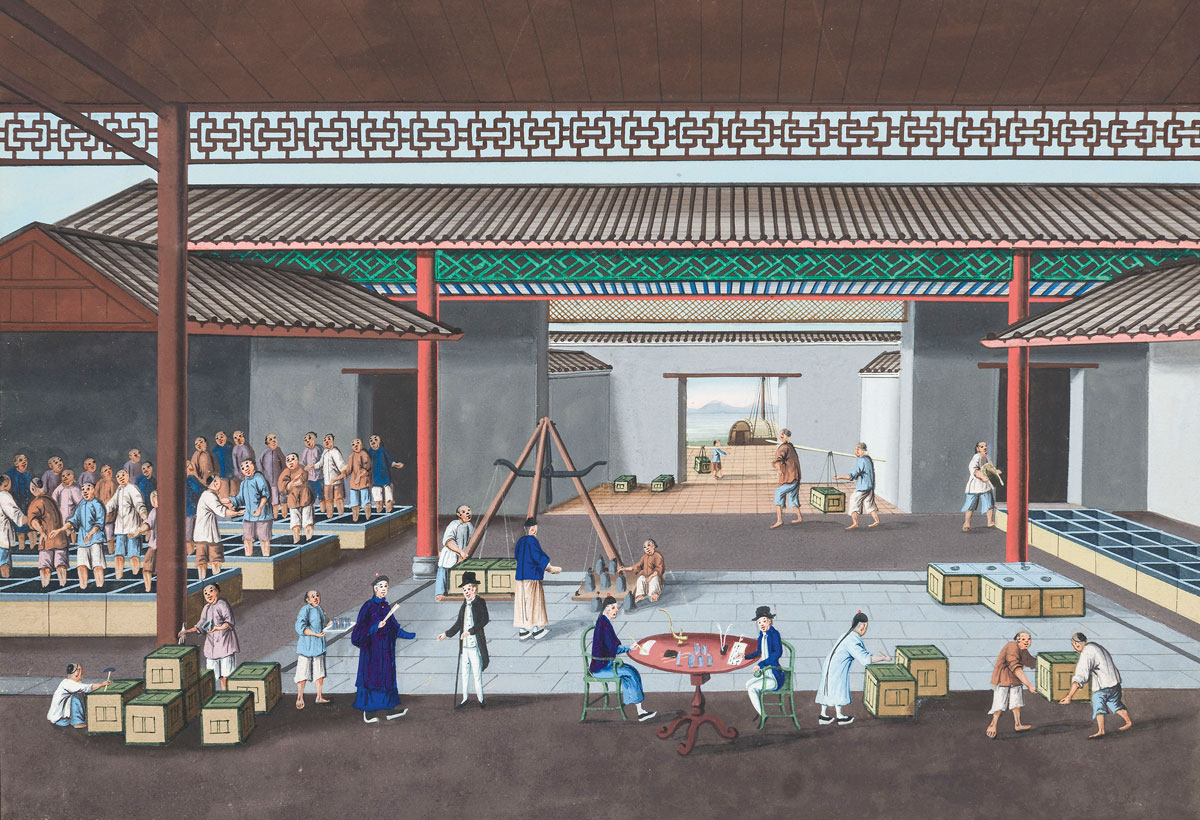
Foreign ships were required to anchor at Whampoa, well below the city of Canton itself, while merchants were restricted to a narrow stretch of buildings along the riverbank known as the Thirteen Factories. They were forbidden from entering the walled city or traveling inland. Goods, silver, and correspondence moved through a series of handoffs, carried by intermediaries and small craft. Rivers, tides, and seasonal winds quietly enforced the system’s limits as effectively as any regulation.
How Trade Functioned
The Canton System favored regularity over speed. Foreign ships arrived with the trading season and anchored at Whampoa according to custom, often waiting days or weeks before business could begin. Silver was brought ashore, weighed and tested, and exchanged for tea, silk, porcelain, and other goods drawn from inland markets. Every movement from arrival and inspection to exchange and clearance followed established routines, meant to limit surprise and prevent disorder. The system endured not because it was efficient, but because its routines were familiar, repeatable, and trusted.
Silver and Verification
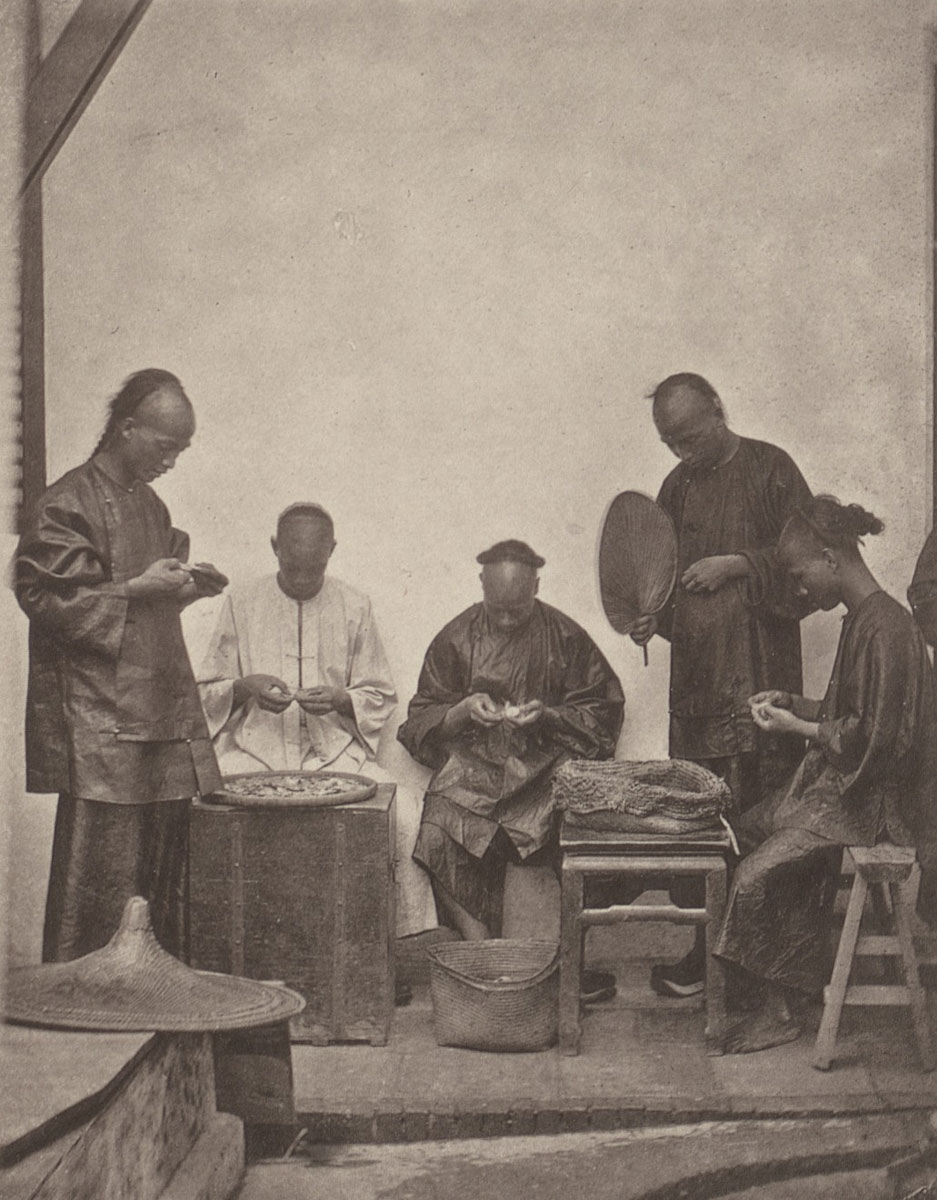
Silver was the heart of the Chinese trade. Foreign coins and bullion entered China in vast quantities, but they were never accepted on appearance alone. They bore a wide range of unfamiliar designs from various countries, in differing weights and fineness, with debased pieces and counterfeits always a concern. Each piece was weighed and tested before it could circulate. Coins that passed inspection were often punched with chopmarks, a visible sign that they had been examined and deemed good, and could now move onward through the market.
A System of Boundaries
The strength of the Canton System lay in its boundaries and accountability. Officials governed without trading, merchants traded while bearing risk, and foreigners participated within well-defined limitations. Value was certified repeatedly rather than declared once. Trust was not declared once or imposed by law, it was earned repeatedly, as silver and goods passed from hand to hand.
What Remains
By the early 1840s, the Canton System had ceased to operate as an exclusive system following the First Opium War and the Treaty of Nanjing, which officially opened more coastal Chinese ports to foreign trade. However, the system didn't disappear overnight. While its legal framework was dismantled, many commercial practices developed at Canton, patterns of credit, reliance on intermediaries, and established methods of handling silver continued for years afterward. Chopmarked coins bear physical witness of verification and acceptance, preserving the material record of accounting first practiced as part of the Chinese trade in Canton, and later beyond.