印
Main Collection
Pre-1821 1821-1871 Post-1871 Collection Insights
Other Sets
Mexican Cap & Rays Dragon Dollars Fukien Copper Cash Japan Bar Money With Countermarks & Counterstamps Ink and Paper Bits and Pieces Contemporary Forgeries
Chopmarks
Chopmark Types Unique Chopmarks Silver Stealing How to Identify Chopmarks Fake Chopmarks
Canton Trade
The Canton System People & Roles Shroffing & The Shroff Handbook Production of Goods Along the Pearl River Delta Trade Beyond Canton The Ships of Trade
Resources
Common Questions Online Articles & Publications Recommended Reading Recorded Talks Major Collections The Chopmark Collectors Club
About
About This Page Contact Me
Pre-1821 1821-1871 Post-1871 Collection Insights
Mexican Cap & Rays Dragon Dollars Fukien Copper Cash Japan Bar Money With Countermarks & Counterstamps Ink and Paper Bits and Pieces Contemporary Forgeries
Chopmark Types Unique Chopmarks Silver Stealing How to Identify Chopmarks Fake Chopmarks
The Canton System People & Roles Shroffing & The Shroff Handbook Production of Goods Along the Pearl River Delta Trade Beyond Canton The Ships of Trade
Common Questions Online Articles & Publications Recommended Reading Recorded Talks Major Collections The Chopmark Collectors Club
About This Page Contact Me

Mexican Cap & Rays - One From Each Mint

The "Cap & Rays" 8 reales solved a straightforward problem: how to replace a king's portrait without replacing the trust that portrait had accumulated over two centuries. The answer was a phrygian cap symbolizing liberty and a radiant sun representing the new republic, on a coin otherwise identical in weight, fineness, and diameter to the portrait dollars it replaced. Branch mints multiplied over the following decades, assayers turned over, output swung with Mexico's political turbulences, and small stylistic differences accumulated across the series, yet the core specifications remained consistent. In the trade networks linking the Americas, Europe, and Asia, the Cap & Rays stepped into the role the Spanish dollar had vacated, circulating across East and Southeast Asia as the Spanish dollar before it, accumulating chopmarks along the way.

This set aims to show an example from each of the 14 mints, all with chopmarks. Some mints were sent in large quantities to Asia and are thus very common with chopmarks. Examples from other mints were not sent overseas in large numbers and are thus scarce, rare or non-existant with chopmarks.

Very common with chopmarks Zacatecas, Mexico City, Guanajuato

Common with chopmarks
Alamos, Hermosillo, Durango, Guadalajara, Culiacan, Chihuahua, San Luis Potosi

Scarce with chopmarks
Oaxaca, Real de Catorce

Very rare or unknown with chopmarks
Guadalupe y Calvo (very rare)
Estado de Mexico (no examples known)

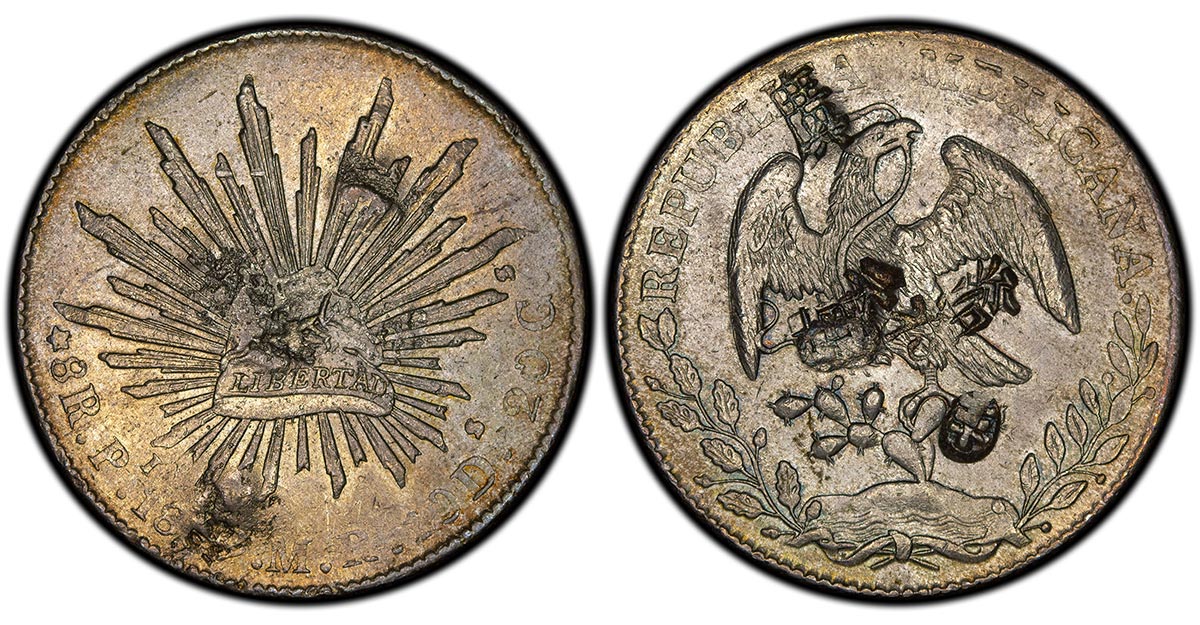
1855-Do CP, Durango mint
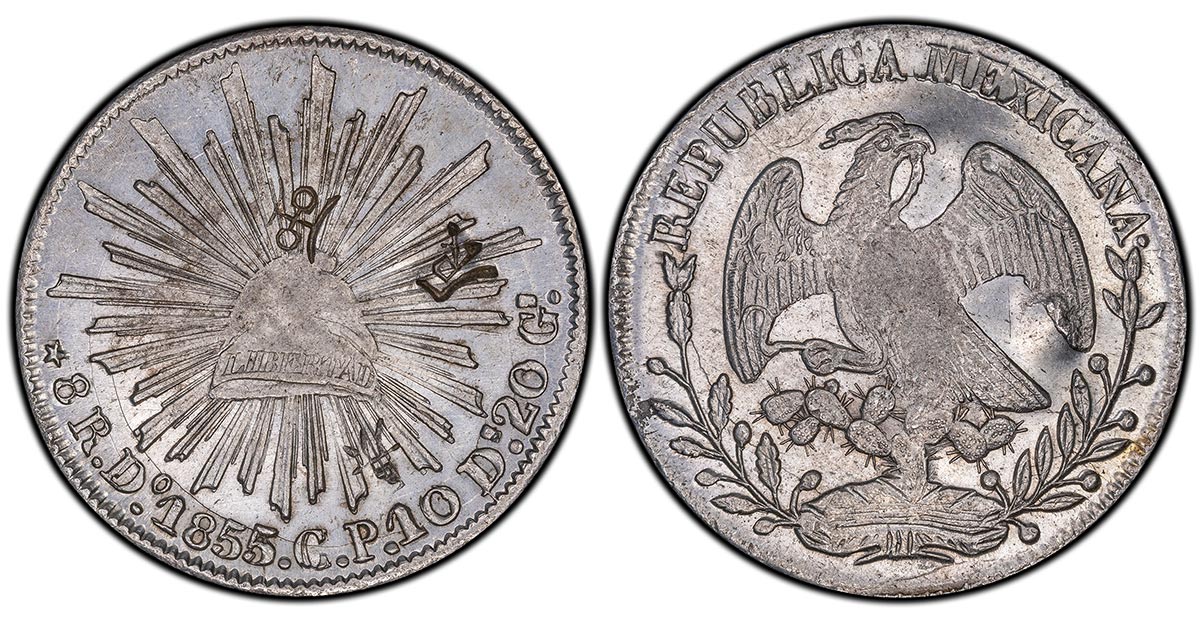
1855-Do CP, Durango mint

Specifications:
27.07 g, .903 fine silver, .786 troy oz (actual silver weight)
Recorded mintage: Unknown
Catalog reference: KM 377.4

Details:
The Durango mint opened in 1811, passed to Republican control in 1824, and operated until 1895. It served a productive northern mining region and maintained substantial output for much of the century, with particularly strong production from the 1840s through the 1870s, despite political disruptions.

8 Reales from Durango are found somewhat frequently with chopmarks, although not the most common of the series. During the 1860s–1880s, when Asian demand for Mexican dollars was especially strong, Durango silver moved efficiently along northern trade corridors toward Mazatlán, a major Pacific export port. This sustained alignment of production, routing, and timing produced a substantial population of Durango dollars in Chinese circulation.

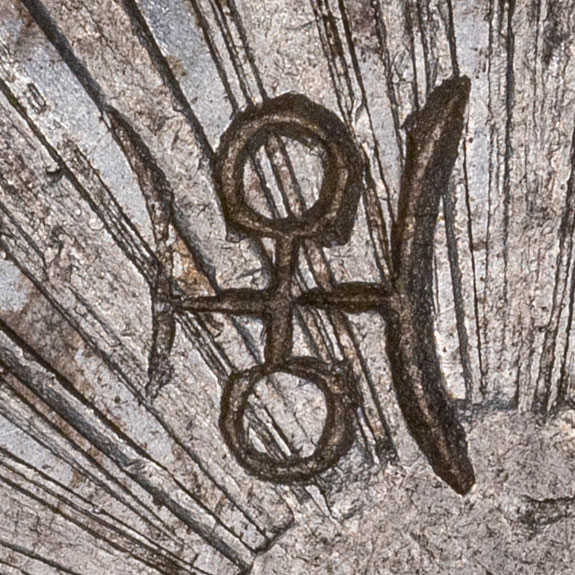
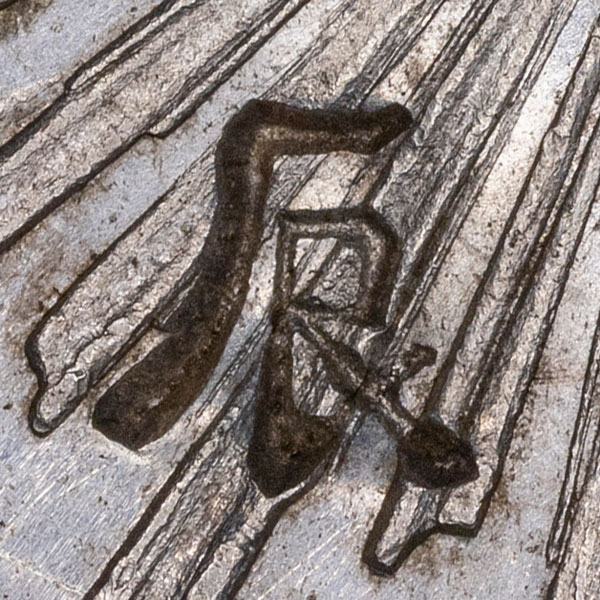
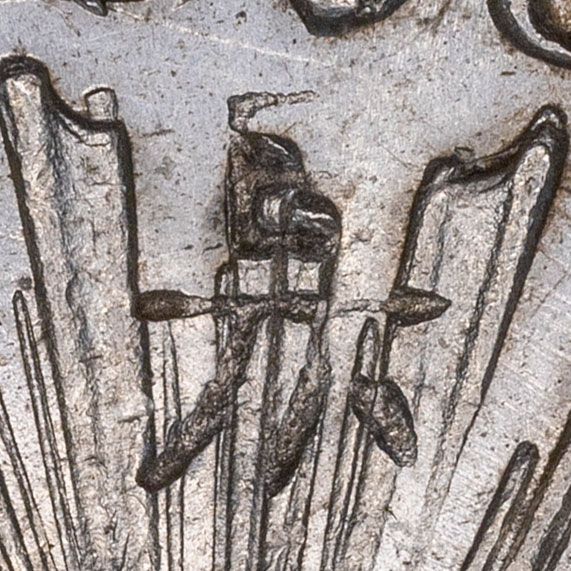
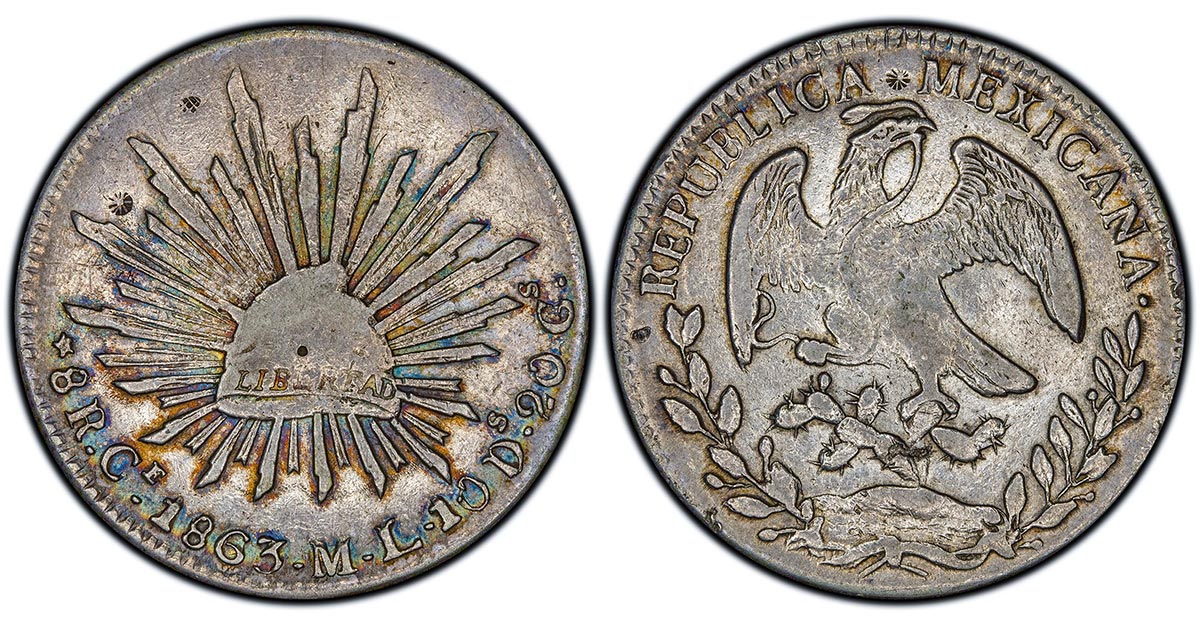
1863-Ce ML, Real de Catorce mint

1863-Ce ML, Real de Catorce mint

Specifications:
27.07 g, 0.903 fine silver, 0.7859 troy oz (actual silver weight)
Recorded mintage: unknown
Catalog reference: KM 377.1

Details:
The mint at Real de Catorce operated from 1863 to 1869, with interruptions during the French Intervention. It was established under extraordinary political and fiscal pressure to serve a specific mining district during wartime conditions. Its operations were inherently provisional, reflecting the instability of the period rather than a long-term minting strategy.

Catorce dollars are rare with chopmarks, but mainly because the coins aren't common to begin with. The short operational window and limited output sharply restricted the number of coins that could reach international markets.

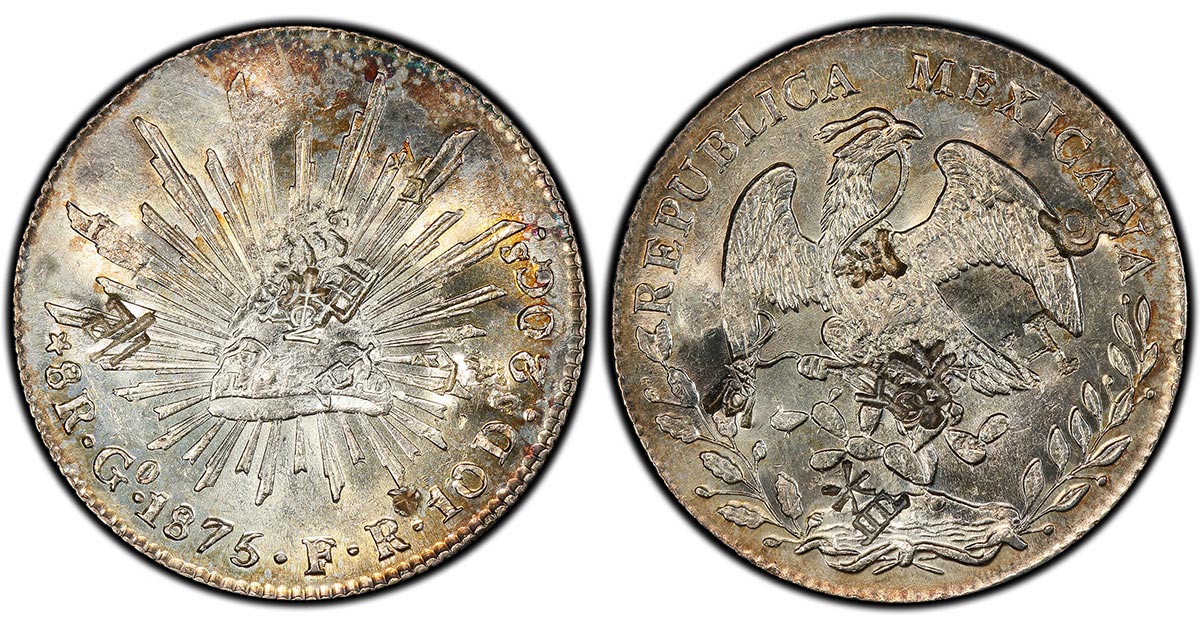
1875-Go FR, Guanajuato mint

1875-Go FR, Guanajuato mint

Specifications:
27.07 g, .903 fine silver, .786 troy oz (actual silver weight)
Recorded mintage: unknown but common Catalog reference: KM 377.8

Details:
The mint at Guanajuato began striking coinage in 1812 during the War of Independence and continued operating throughout the Mexican Republican period into the late 19th century. It served one of the richest silver-mining regions in the world, with deep colonial antecedents and sustained post-independence production. Guanajuato benefited from long operational continuity, stable institutional support, and direct access to enormous quantities of bullion, making it one of the most consistently productive mints in Mexico.

Coins from Guanajuato are common with chopmarks. From the 1820s through the 1870s, vast quantities of Guanajuato dollars entered national redistribution networks that carried silver westward via Mexico City and western commercial hubs, then onward to Pacific ports such as Acapulco and later San Blas. Their frequent appearance in Chinese circulation, and the regular accumulation of multiple chopmarks, reflects sustained, high-volume entry into trans-Pacific trade.

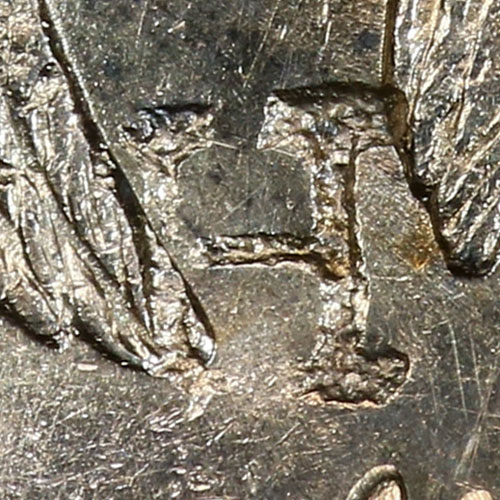
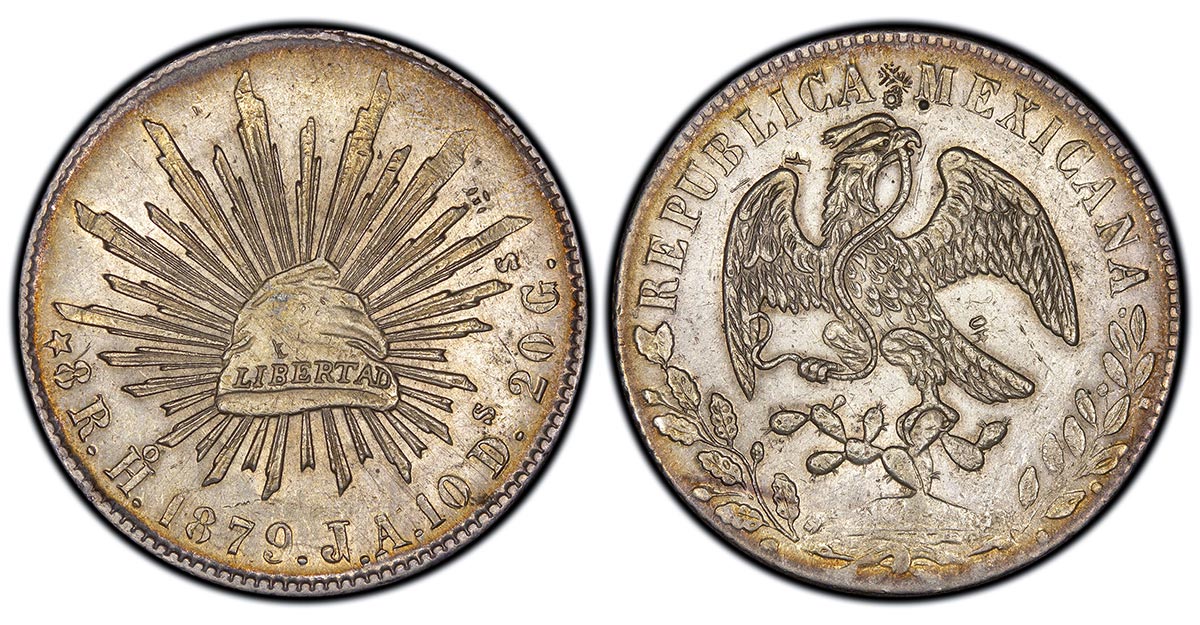
1879-Ho JA, Hermosillo mint

1879-Ho JA, Hermosillo mint

Specifications:
27.07 g, .903 fine silver, .786 troy oz (actual silver weight) Recorded mintage: Unknown Catalog reference: KM 377.9

Details:
The Hermosillo mint operated intermittently during the 1850s and 1860s, reflecting the frontier character of northwestern Mexico and persistent concerns about bullion leakage through Pacific ports such as Guaymas. Its establishment was tied closely to regional fiscal needs and efforts to formalize silver production in a politically unstable zone. Output was uneven, and administrative continuity was limited, giving the mint a distinctly provisional character.

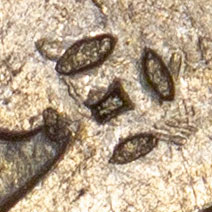
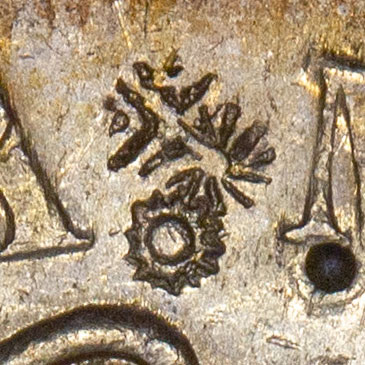
Hermosillo dollars are occasionally found with chopmarks. The mints northwestern location allowed coinage to enter Pacific coastal trade with relative ease. However, inconsistent production limited the total number reaching China, and chopmarked examples typically reflect lighter or later circulation.

1879-Oa AE, Oaxaca mint

1879-Oa AE, Oaxaca mint

Specifications:
27.07 g, .903 fine silver, .786 troy oz (actual silver weight)
Recorded mintage: 153,000
Catalog reference: KM 377.11

Details:
The Oaxaca mint struck Cap & Rays coinage intermittently until 1893, operating under conditions of frequent political disruption and limited capital. Its output was modest, and the mint functioned primarily to support regional circulation rather than national or international trade. Administrative instability further constrained sustained production.

Oaxaca dollars are rare with chopmarks. A small number entered international circulation, but weak integration into export networks limited China-bound flow and resulted in very limited survival with chopmarks.

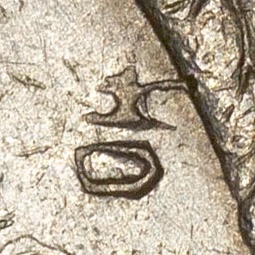
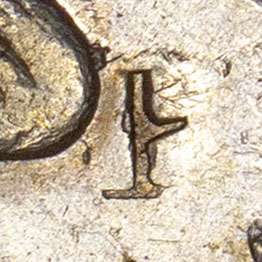
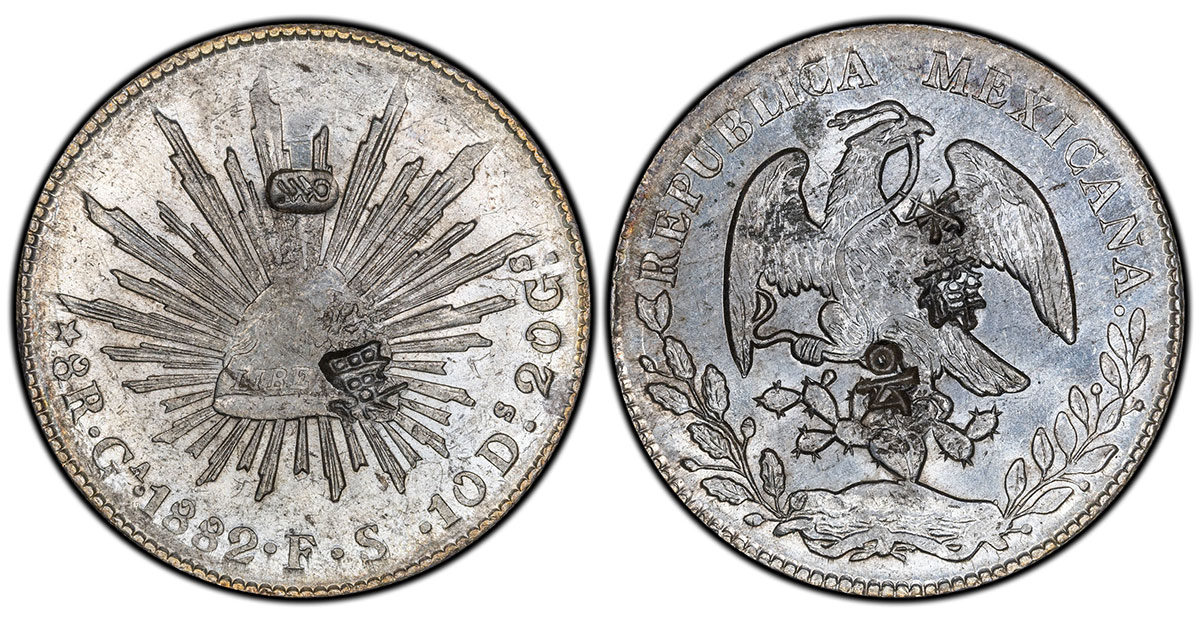
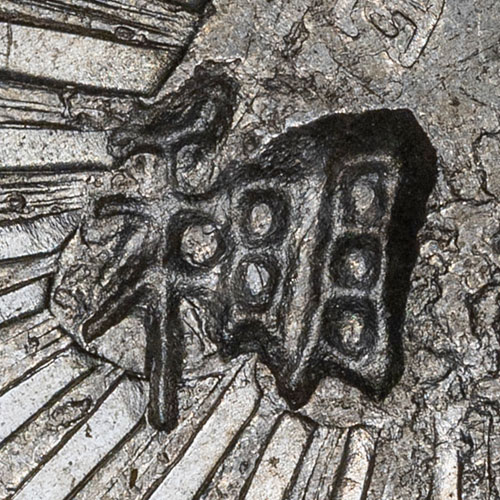
1882-Ga FS, Guadalajara mint

1882-Ga FS, Guadalajara mint

Specifications:
27.07 g, .903 fine silver, .786 troy oz (actual silver weight)
Recorded mintage: 537,000
Catalog reference: KM 377.6

Details:
The Guadalajara mint opened in 1812 and began striking Republican Cap & Rays 8 reales in 1825, serving one of western Mexico’s most important commercial and administrative centers. Its production history is punctuated by interruptions, most notably during the French Intervention and the Balance-Scale period, but across multiple phases (1825–1863, 1867–1870, 1873–1895) it remained a significant regional mint. Guadalajara’s importance lay less in mining output than in its role as a commercial hub linking interior Mexico with the Pacific coast.

Guadalajara dollars are regularly found with chopmarks, although not as common as some of the highest output mints such as Guanajuato or Zacatecas. Their movement toward Pacific ports such as San Blas and later Manzanillo was facilitated by reduced transport friction. While overall output was moderate, a meaningful share of production entered trans-Pacific trade and circulated in China long enough to acquire chopmarks.

1887-Pi MR, San Luis Potosí mint

1887-Pi MR, San Luis Potosí mint

Specifications:
27.07 g, .903 fine silver, .786 troy oz (actual silver weight)
Recorded mintage: 2,922,000
Catalog reference: KM 377.12

Details:
The San Luis Potosí mint began Republican operations in 1827 and continued striking coinage until 1893, making it one of the longer-running interior mints of the period. It served a substantial mining and commercial region and developed into a stable, workmanlike mint whose output supported both regional circulation and national redistribution. Although its operations were disrupted during the 1860s, particularly under imperial occupation, it resumed production and maintained relevance well into the late 19th century.

San Luis Potosí dollars are fairly common with chopmarks, although not nearly as common as Zacatecas, Guanajuato or Mexico City. Coinage circulated widely within Mexico and was likely aggregated with output from other mints before moving west through Guadalajara or Mexico City to Pacific ports.

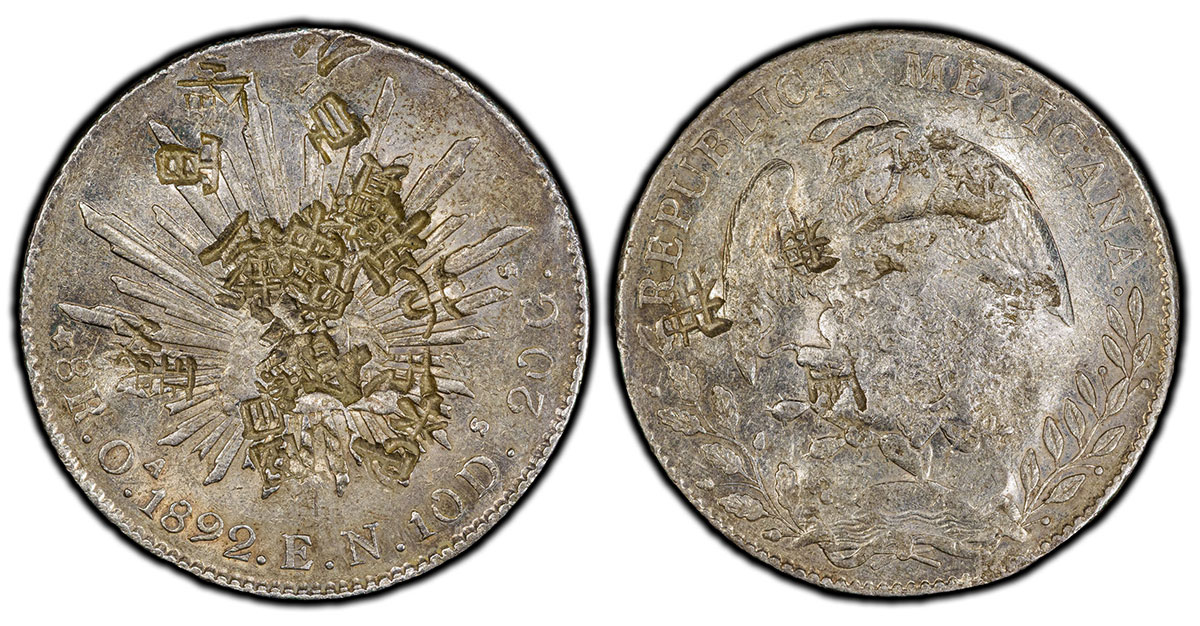
1892-Oa AE, Oaxaca mint

1892-Oa AE, Oaxaca mint

Specifications:
27.07 g, .903 fine silver, .786 troy oz (actual silver weight)
Recorded mintage: 153,000
Catalog reference: KM 377.11

Details:
The Oaxaca mint struck Cap & Rays coinage intermittently until 1893, operating under conditions of frequent political disruption and limited capital. Its output was modest, and the mint functioned primarily to support regional circulation rather than national or international trade. Administrative instability further constrained sustained production.

Oaxaca dollars are rare with chopmarks. A small number entered international circulation, but weak integration into export networks limited China-bound flow and resulted in very limited survival with chopmarks.

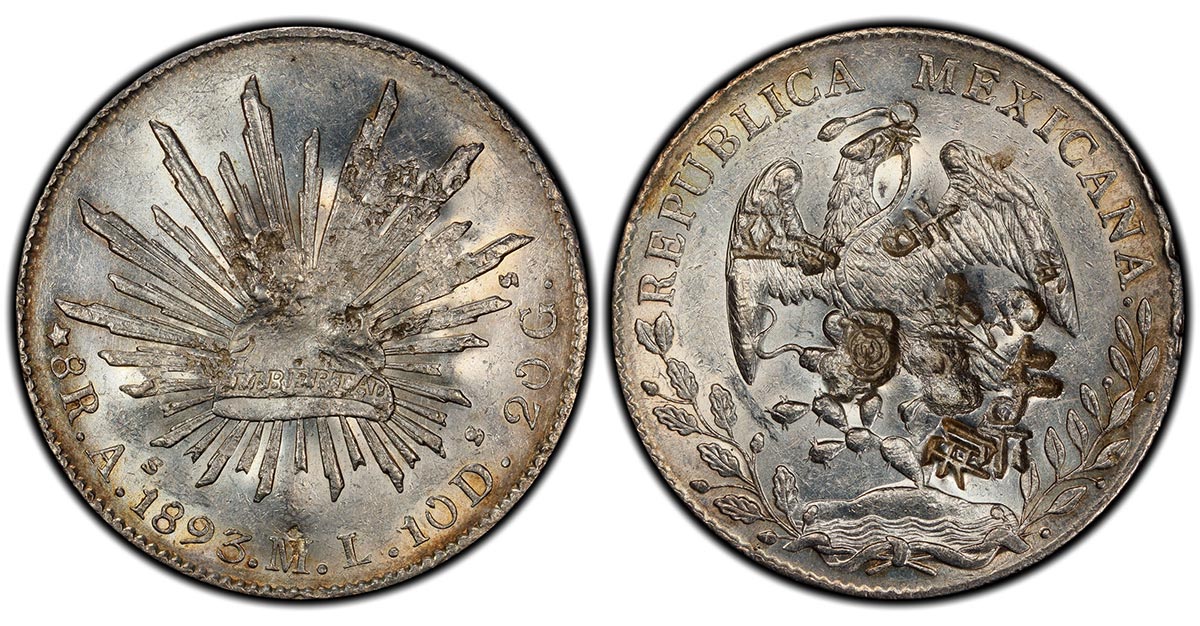
1893-As ML, Álamos Mint

1893-As ML, Álamos Mint

Specifications:
27.07 g, .903 fine silver, .786 troy oz (actual silver weight)
Recorded mintage: 734,000
Catalog reference: KM 377

Details:
This issue was produced during the final years of the Alamos mint's operation (which closed in 1895) under the lengthy presidency of Porfirio Díaz. The 1890's were a period of transition and the Mexican government began shifting toward more modern coining technology. Even with this shift, the "Resplandores" (Cap and Rays) 8 Reales remained the dominant silver export. The Alamos mint, located in the silver-rich state of Sonora, operated under a private lease system for much of its history. By 1893, political stability under the Porfiriato (the era of Díaz's rule, 1876–1911) allowed for consistent production, though the mint remained one of the more remote facilities, often resulting in distinct, slightly coarser striking characteristics compared to the central Mexico City mint.

Alamos is one of the less common Mexican mints to find chopmarked, although not rare. A really attractive coin.

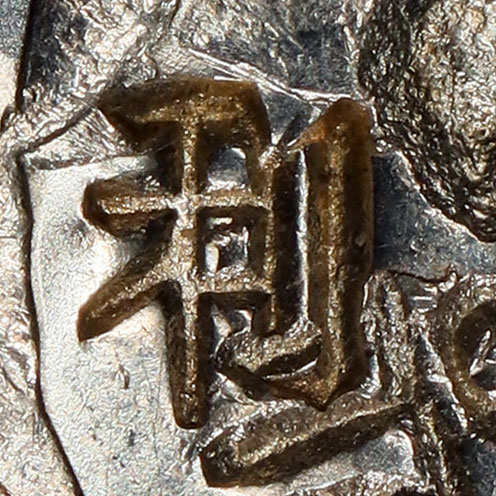
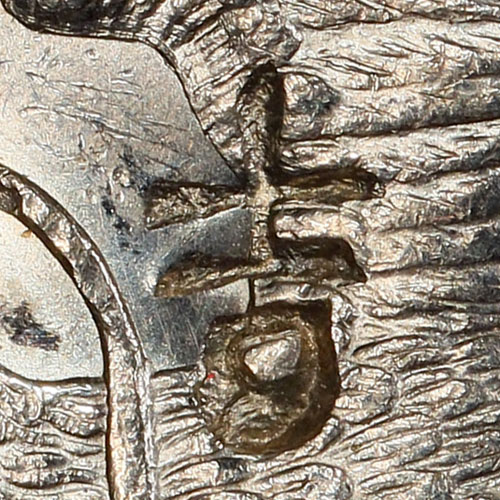
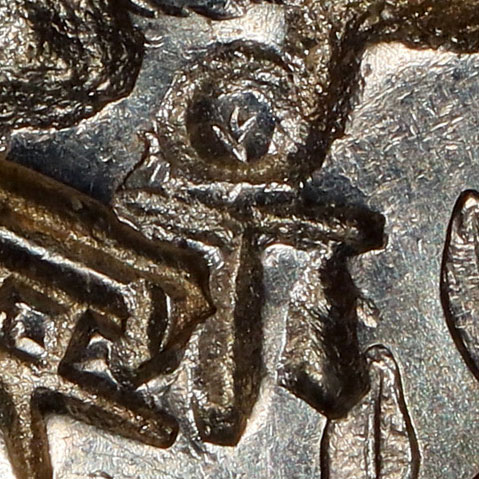
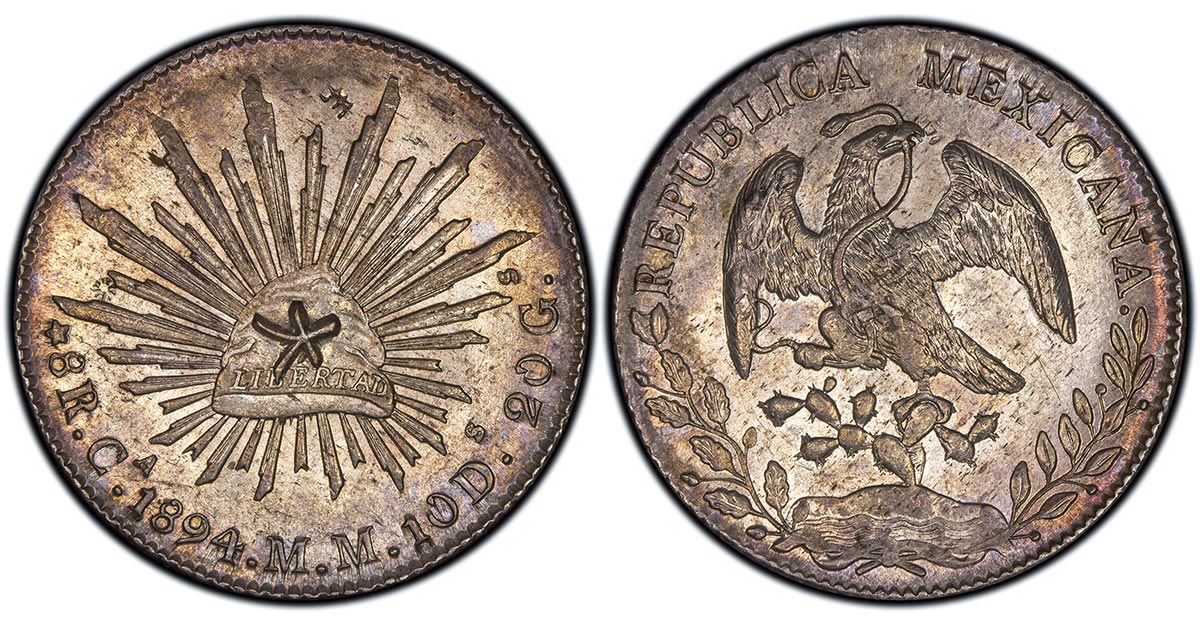
1894-Ca MM, Chihuahua mint

1894-Ca MM, Chihuahua mint

Specifications:
27.07 g, .903 fine silver, .786 troy oz (actual silver weight)
Recorded mintage: 2,642,000
Catalog reference: KM 377.2

Details:
The Chihuahua mint reopened under Republican authority in 1831 and continued operating until 1895, serving one of northern Mexico’s most important mining and commercial regions. It produced substantial quantities of coinage at various points in the century and played a significant role in regional circulation. The mint’s long life reflects the economic importance of the region, even as its geographic orientation challenged its ability to export large quantities of silver compared to pacific mints.

Chihuahua dollars are not scarce nor common with chopmarks. Most output was oriented toward domestic circulation or northbound trade, particularly toward the United States. A smaller portion entered global commerce and eventually reached Asia, producing a limited chopmarked population.

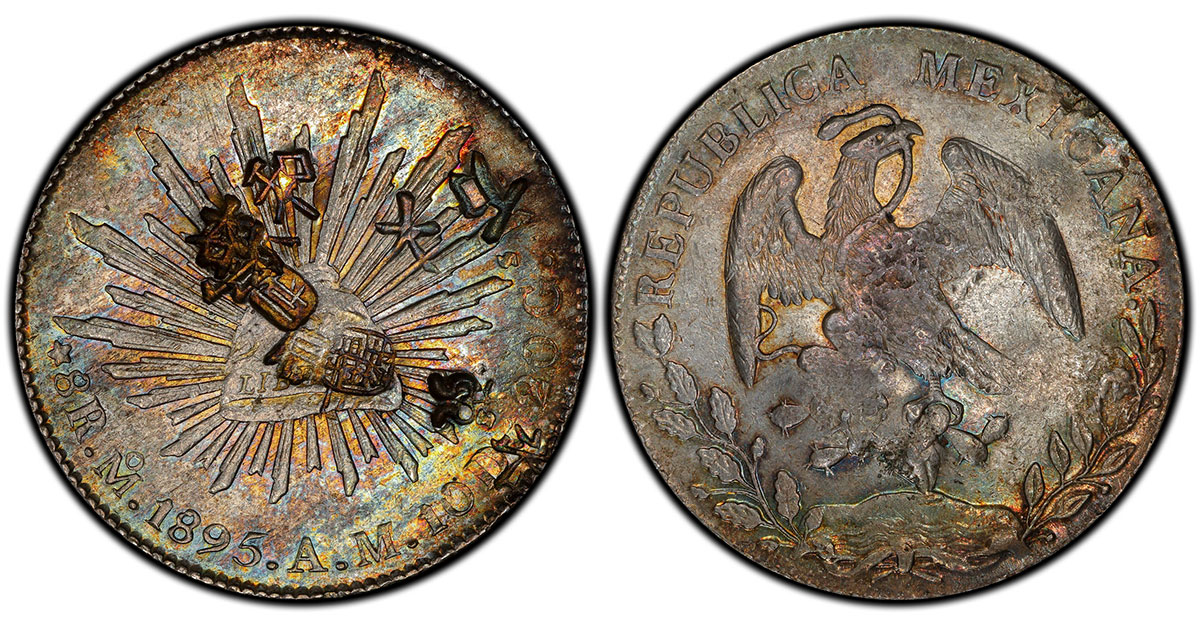
1895-Mo AM, Mexico City mint

1895-Mo AM, Mexico City mint

Specifications:
27.07 g, .903 fine silver, .786 troy oz (actual silver weight)
Recorded mintage: 10,474,000 (assayers AB and AM)
Catalog reference: KM 377.10

Details:
Mexico City was the principal mint of Mexico and the administrative center of the national mint system. It struck Republican Cap & Rays coinage beginning in 1823 and remained in uninterrupted operation throughout the entire 19th century. The mint handled enormous quantities of coinage tied to state finance, military payments, bullion conversion, and interregional settlement.

Mexico City dollars are common with chopmarks. The mints coinage moved continuously through fiscal and commercial pipelines feeding all directions of trade. Coins that entered Asian commerce typically traveled west through commercial centers such as Guadalajara, then onward to Pacific ports including San Blas, Manzanillo, and later Mazatlán. Once in China, these coins circulated extensively and were chopmarked in the same manner as other Mexican Republican dollars.

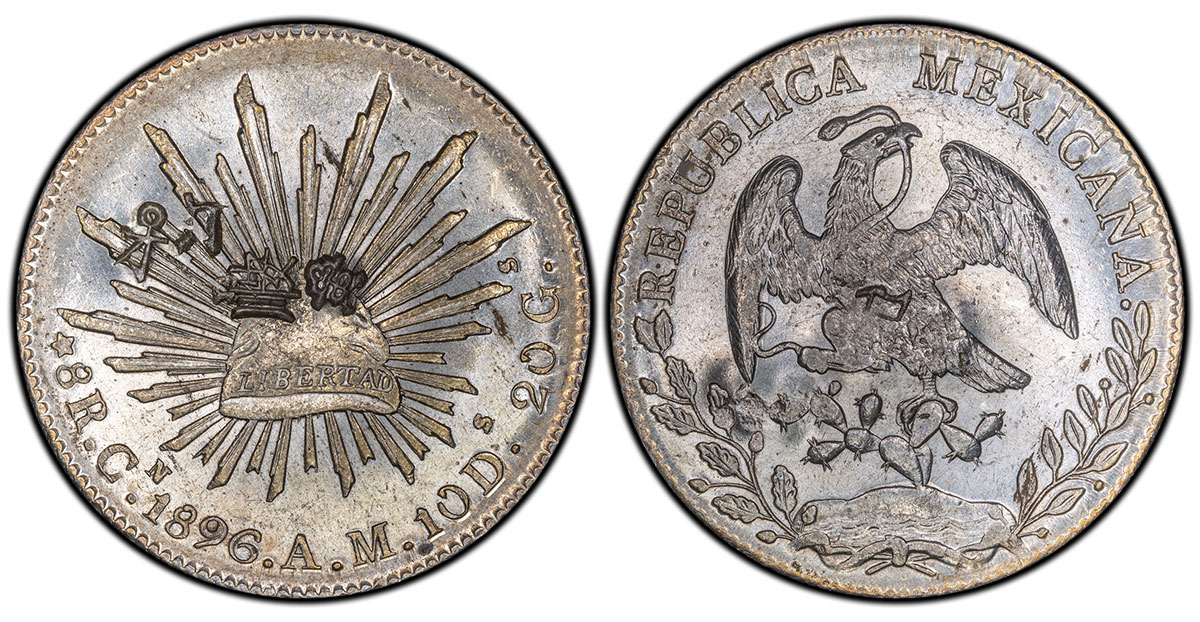
1896-Cn AM, Culiacan mint

1896-Cn AM, Culiacan mint

Specifications:
27.07 g, .903 fine silver, .786 troy oz (actual silver weight)
Recorded mintage: 2,134,000
Catalog reference: KM 377.3

Details:
The Culiacán mint opened in 1846 and operated until 1905, making it one of the longer-lived Pacific-side mints of the Republican era. It served regional economic needs in northwestern Mexico and was geographically positioned near westbound shipping routes. Despite this favorable location, production levels remained relatively modest throughout its operation.

Culiacán dollars are somewhat scarce with chopmarks. Some coins entered Pacific commerce and reached Chinese circulation, but limited production prevented sustained or large-scale export.

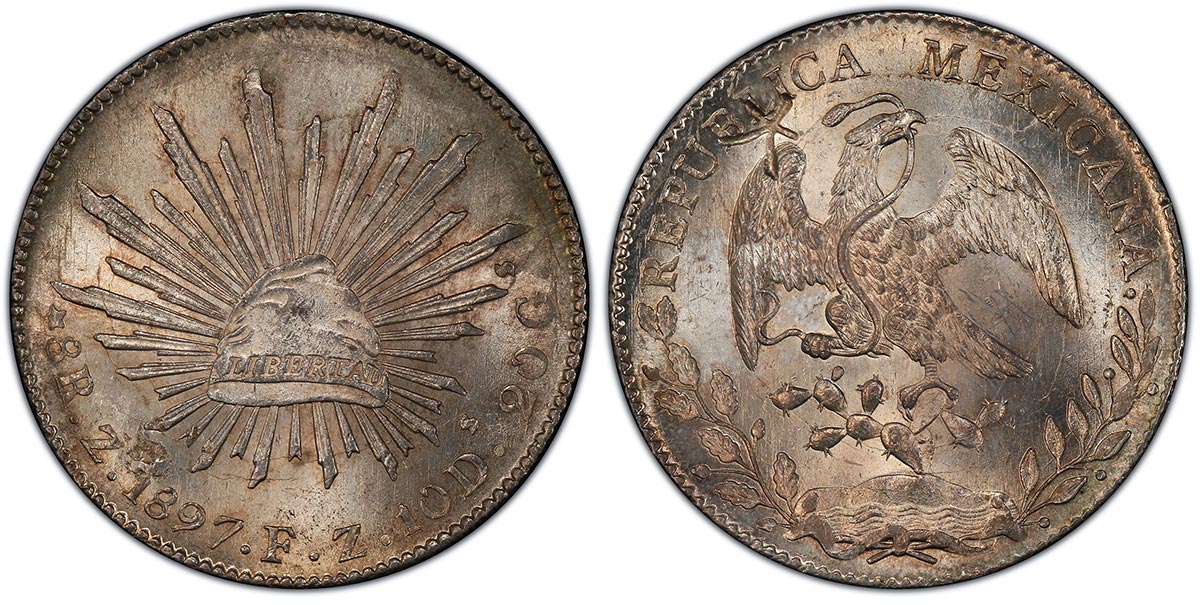
1897-Zs FZ, Zacatecas mint

1897-Zs FZ, Zacatecas mint

Specifications:
27.07 g, .903 fine silver, .786 troy oz (actual silver weight)
Recorded mintage: 4,877,0000
Catalog reference: KM 377.13

Details:
The Zacatecas mint opened in 1810, initially under insurgent control, and remained a major producer of silver coinage throughout the Republican period. Located in a historically productive mining district, it benefited from sustained bullion supply and experienced labor. Cap & Rays 8 reales were struck from the 1820s onward, and the mint maintained high output across much of the 19th century, making it a principal source of Mexican silver.

8 Reales from Zacatecas are common with chopmarks. Significant quantities of coin entered merchant channels and moved west through commercial centers such as Guadalajara, then onward to Pacific ports including San Blas and Mazatlán. Once introduced into Chinese circulation, these coins were subject to repeated commercial verification, resulting in frequent chopmarking.

© 2026 chopmarkedcoins.com. All rights reserved. Terms of Use & Copyright